Border Patrol Supervisors Retention Act
Summary
What This Bill Does
The Border Patrol Supervisors Retention Act amends 5 U.S.C. 5550(h), which governs regularly scheduled overtime pay for certain U.S. Border Patrol agents. It changes the subsection heading from GS-12 Border Patrol agents to Border Patrol agents classified from grade GS-12 through GS-15 and changes the operative grade reference from a position at GS-12 to a position from GS-12 through GS-15. The effect is to extend the overtime-pay framework to higher-grade Border Patrol supervisory or senior positions that otherwise may not receive the same regularly scheduled overtime treatment.
Who Benefits and How
Border Patrol supervisors and higher-grade agents in GS-13 through GS-15 positions benefit because the overtime-pay rule would cover them in addition to GS-12 agents. Customs and Border Protection may benefit if expanded overtime eligibility improves retention of supervisors and senior agents. Border Patrol field operations may benefit if supervisory staffing is more stable.
Who Bears the Burden and How
Federal payroll accounts bear higher overtime costs for eligible GS-13 through GS-15 Border Patrol positions. CBP payroll and human resources staff must update grade eligibility, timekeeping, and payroll systems. DHS budget officials must account for expanded regularly scheduled overtime obligations.
Key Provisions
- Amends the 5 U.S.C. 5550(h) heading to cover Border Patrol agents classified GS-12 through GS-15.
- Amends the operative grade reference from GS-12 only to GS-12 through GS-15.
- Extends the existing regularly scheduled overtime framework to higher-grade Border Patrol positions.
Evidence Chain:
This summary is generated from the full bill text using AI analysis. Expand "Detailed Analysis" below for identified beneficiaries/burden bearers with clause-level evidence links.
At a Glance
What This Bill Does
Extends higher regularly scheduled overtime pay rules for U.S. Border Patrol agents from GS-12 positions to positions classified GS-12 through GS-15.
Key Policy Areas
Law Enforcement, Labor, Homeland Security
Primary Purpose
Extends higher regularly scheduled overtime pay rules for U.S. Border Patrol agents from GS-12 positions to positions classified GS-12 through GS-15.
Policy Domains
Substantive provisions
Identified Gains
- Border Patrol supervisors
- GS-13 Border Patrol agents
- GS-14 Border Patrol agents
- GS-15 Border Patrol agents
- Customs and Border Protection
Identified Costs
- Federal payroll accounts
- CBP payroll staff
- CBP human resources staff
- DHS budget officials
Sponsors
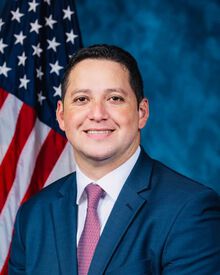




Legislative Progress
In CommitteeMr. Tony Gonzales of Texas (for himself, Mr. Guest, Mr. …
Referred to the House Committee on Oversight and Government Reform.
Introduced in House
Stakeholder Effects
cui bono?How this legislation distributes effects. Mention counts reflect frequency, not effect magnitude.
Border Patrol supervisors, Customs and Border Protection, GS-13 Border Patrol agents
Bill Structure & Actor Mappings
Who is "The Secretary" in each section?
We use a combination of our own taxonomy and classification in addition to large language models to assess meaning and potential beneficiaries. High confidence means strong textual evidence. Always verify with the original bill text.
Learn more about our methodology