Rural Uplift and Revitalization Assistance Act
Summary
What This Bill Does
The Rural Uplift and Revitalization Assistance Act directs the Secretary of Agriculture to provide technical assistance directly or through cooperative agreements within one year. The assistance must strengthen local capacity and improve access to USDA rural development programs for local partners in geographically underserved and distressed areas. Local partners include local governments, cooperatives, businesses, health care facilities and networks, community anchor institutions, and nonprofit organizations. The bill defines geographically underserved and distressed areas as rural areas that are socially vulnerable, in persistent poverty counties, economically distressed, or lacking adequate water, sewer, or decent housing in regions near the U.S.-Mexico border. Beginning one year after enactment, USDA must annually publish, make public, and submit to the House and Senate Agriculture Committees a report on how the technical assistance affected those areas.
Who Benefits and How
Rural communities in persistent poverty, socially vulnerable, economically distressed, or under-served border regions benefit because USDA must help local partners access rural development programs. Local governments, cooperatives, small businesses, health care facilities, community anchor institutions, and nonprofits benefit from technical assistance and capacity building. Residents benefit indirectly if better program access improves water, sewer, housing, health care, or economic-development projects.
Who Bears the Burden and How
USDA Rural Development staff must design and deliver technical assistance, negotiate cooperative agreements, determine which rural areas qualify, and publish annual public reports to Congress. Local partners must coordinate with USDA and may need to prepare applications or comply with rural development program requirements. Federal taxpayers fund the technical assistance and reporting work.
Key Provisions
- Requires USDA technical assistance within one year for geographically underserved and distressed rural areas.
- Allows USDA to deliver assistance directly or through cooperative agreements.
- Targets local governments, cooperatives, businesses, health care facilities, community anchor institutions, and nonprofits.
- Defines eligible areas to include socially vulnerable communities, persistent poverty counties, economically distressed areas, and border regions lacking water, sewer, or decent housing.
- Requires annual public reports to House and Senate Agriculture Committees.
Evidence Chain:
This summary is generated from the full bill text using AI analysis. Expand "Detailed Analysis" below for identified beneficiaries/burden bearers with clause-level evidence links.
At a Glance
What This Bill Does
Requires USDA within one year to provide technical assistance or cooperative-agreement support that builds local capacity and improves access to USDA rural development programs in geographically underserved and distressed rural areas, with annual public reports to Congress.
Key Policy Areas
Rural Development, Agriculture, State & Local Government, Housing
Primary Purpose
Requires USDA within one year to provide technical assistance or cooperative-agreement support that builds local capacity and improves access to USDA rural development programs in geographically underserved and distressed rural areas, with annual public reports to Congress.
Policy Domains
Substantive provisions
Identified Gains
- Rural local governments
- Rural cooperatives
- Rural small businesses
- Rural health care facilities
- Community anchor institutions
- Rural nonprofits
- Residents in distressed rural areas
Identified Costs
- USDA Rural Development staff
- Cooperative agreement recipients
- Local partner applicants
- Federal taxpayers
Sponsors
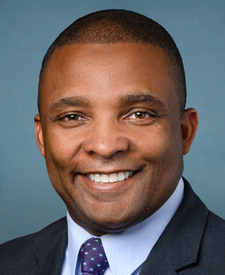
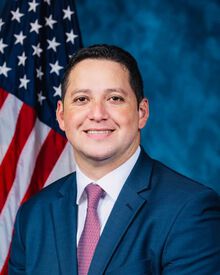
Legislative Progress
In CommitteeReferred to the Subcommittee on Commodity Markets, Digital Assets, and …
Mr. Davis of North Carolina (for himself and Mr. Tony …
Referred to the House Committee on Agriculture.
Introduced in House
Sponsor introductory remarks on measure. (CR H4977)
Introduced in House
Stakeholder Effects
cui bono?How this legislation distributes effects. Mention counts reflect frequency, not effect magnitude.
Bill Structure & Actor Mappings
Who is "The Secretary" in each section?
We use a combination of our own taxonomy and classification in addition to large language models to assess meaning and potential beneficiaries. High confidence means strong textual evidence. Always verify with the original bill text.
Learn more about our methodology