To establish in the Cybersecurity and Infrastructure Security Agency of the Department of Homeland Security a program to promote the cybersecurity field to disadvantaged communities, including older individuals, racial and ethnic minorities, people with disabilities, geographically diverse communities, socioeconomically diverse communities, women, individuals from nontraditional educational paths, individuals who are veterans, and individuals who were formerly incarcerated, and for other purposes.
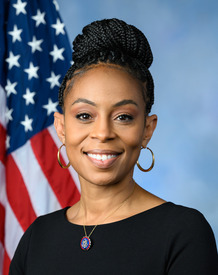
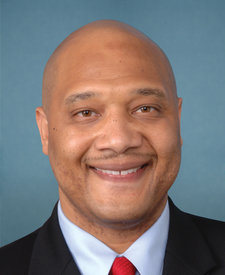
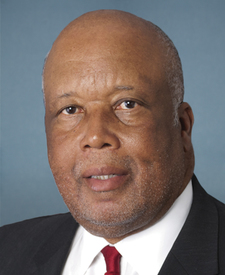
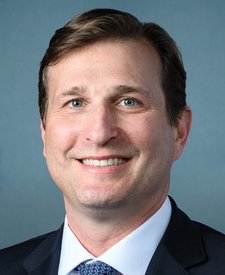
Sponsors

Legislative Progress
IntroducedMs. Brown (for herself, Ms. Stevens, Mrs. Ramirez, Ms. Wasserman …
Summary
What This Bill Does
The Expanding Cybersecurity Workforce Act of 2025 creates a new program within CISA to promote cybersecurity careers to underrepresented groups. The program targets older workers (40+), racial and ethnic minorities, people with disabilities, veterans, formerly incarcerated individuals, women, and those from nontraditional educational backgrounds. It authorizes $20 million per year from 2026 through 2031.
Who Benefits and How
- Disadvantaged individuals gain access to cybersecurity career training and outreach, opening doors to well-paying technology jobs
- Community colleges, HBCUs, Hispanic-serving institutions, and other minority-serving educational institutions benefit from partnership opportunities with CISA
- Cybersecurity companies benefit from an expanded talent pipeline of diverse workers to fill persistent labor shortages
Who Bears the Burden and How
- Federal taxpayers fund the program at $20 million annually for six years (total $120 million)
- CISA takes on additional administrative responsibilities to establish, manage, and tailor the program to different regions
Key Provisions
- CISA must establish the program within 180 days of enactment
- Outreach must include educators, unions, chambers of commerce, workforce development offices, and private sector partners
- Program must be tailored to unique regional and sector needs across the U.S.
- Annual reporting to Congress on program efficacy and workforce impact
- Defines "nontraditional educational path" to include community colleges, trade schools, and minority-serving institutions
Evidence Chain:
This summary is derived from the structured analysis below. See "Detailed Analysis" for per-title beneficiaries/burden bearers with clause-level evidence links.
Primary Purpose
Expands CISA's Cybersecurity Education and Training Assistance Program to promote cybersecurity careers to disadvantaged communities including older individuals, minorities, people with disabilities, veterans, and formerly incarcerated individuals.
Policy Domains
Legislative Strategy
"Expand cybersecurity workforce pipeline by targeting underrepresented groups and requiring tailored regional outreach through existing CISA education programs"
Likely Beneficiaries
- Disadvantaged individuals seeking cybersecurity careers (older workers, minorities, veterans, formerly incarcerated, people with disabilities)
- Community colleges and minority-serving institutions
- Cybersecurity industry (expanded talent pipeline)
- CISA (expanded program authority and funding)
Likely Burden Bearers
- Federal taxpayers ($20M/year appropriation for 6 years = $120M total)
- CISA (administrative burden of establishing and managing new program)
Bill Structure & Actor Mappings
Who is "The Secretary" in each section?
- "the_director"
- → Director of the Cybersecurity and Infrastructure Security Agency (CISA) of the Department of Homeland Security
Key Definitions
Terms defined in this bill
An intellectual or developmental disability
Participants represented as close as possible to equal spread of high-density urban areas, suburban areas, and rural areas of the United States or over-represent low-income communities
A graduate of two-year degree programs, trade schools, community colleges, HBCUs, Hispanic-serving institutions, Tribal Colleges or Universities, Alaska Native-serving institutions, Native Hawaiian-serving institutions, Predominantly Black Institutions, Native American-serving nontribal institutions, or Asian-American and Native American Pacific Islander-serving institutions
An individual who has attained the age of 40 or older as of the date on which such individual is scheduled to begin participation in the Program
Black or African American, Hispanic or Latino, Asian American, or Native American
A spread of income levels, including low-income individuals
We use a combination of our own taxonomy and classification in addition to large language models to assess meaning and potential beneficiaries. High confidence means strong textual evidence. Always verify with the original bill text.
Learn more about our methodology