Coordination for Soil Carbon Research and Monitoring Act
Summary
What This Bill Does
The Coordination for Soil Carbon Research and Monitoring Act establishes an Interagency Committee on Soil Carbon Research led by the Office of Science and Technology Policy. The committee includes USDA, DOE, Interior, EPA, USGS, NOAA, NSF, NASA, the White House Environmental Justice Advisory Council, NIST, and any other agency OSTP adds. It must develop a cross-agency strategic plan for soil carbon sequestration sampling, measurement methods, monitoring technologies, and community needs; propose agency roles and responsibilities; oversee working groups; consult with agencies and OMB on planning and budget review; submit a baseline report to Congress within one year; and send progress reports at one, three, and five years after that baseline report. The bill also requires coordination on soil carbon monitoring, greenhouse-gas flux data, long-term storage protocols, standardized reporting, and review by soil science experts from academia, private industry, and nonprofits representing geographic, operational, and demographic diversity in U.S. agriculture.
Who Benefits and How
Farmers and ranchers benefit if federal soil carbon measurement methods become more consistent and credible for conservation, climate, and possible market programs. Soil scientists, universities, private monitoring firms, and nonprofit research organizations benefit from formal consultation and clearer federal research priorities. Federal agencies benefit from a shared plan that reduces duplicative soil carbon monitoring work. Congress benefits from baseline and follow-up reports on agency activity and data gaps.
Who Bears the Burden and How
OSTP must lead a large interagency committee and coordinate budgets, working groups, reports, and expert input. USDA, DOE, Interior, EPA, USGS, NOAA, NSF, NASA, NIST, and environmental justice staff must provide representatives and align soil carbon work. Agencies may need to standardize data and monitoring protocols. Federal taxpayers fund the coordination and reporting work.
Key Provisions
- Establishes an OSTP-led Interagency Committee on Soil Carbon Research.
- Requires a cross-agency strategic plan for soil carbon sequestration sampling, measurement, monitoring technologies, and community needs.
- Directs the committee to propose agency roles, oversee working groups, and coordinate with OMB on planning and budget review.
- Requires a baseline report to Congress within one year and progress reports at one-, three-, and five-year intervals.
- Requires coordination on soil carbon data, greenhouse-gas fluxes, long-term storage protocols, standardized reporting, and expert review.
Evidence Chain:
This summary is generated from the full bill text using AI analysis. Expand "Detailed Analysis" below for identified beneficiaries/burden bearers with clause-level evidence links.
At a Glance
What This Bill Does
Creates an OSTP-led Interagency Committee on Soil Carbon Research to coordinate federal soil carbon sequestration sampling, measurement, monitoring technology, data reporting, agency roles, working groups, expert consultation, and congressional reports.
Key Policy Areas
Agriculture, Environment, Research, Climate
Primary Purpose
Creates an OSTP-led Interagency Committee on Soil Carbon Research to coordinate federal soil carbon sequestration sampling, measurement, monitoring technology, data reporting, agency roles, working groups, expert consultation, and congressional reports.
Policy Domains
Substantive provisions
Identified Gains
- Farmers
- Ranchers
- Soil scientists
- Universities
- Private monitoring firms
- Nonprofit research organizations
- Congressional agriculture committees
Identified Costs
- Office of Science and Technology Policy
- USDA research staff
- EPA climate staff
- USGS scientists
- NOAA scientists
- NASA researchers
- NIST measurement experts
- Federal taxpayers
Sponsors




Legislative Progress
In CommitteeReferred to the Subcommittee on Conservation, Research, and Biotechnology.
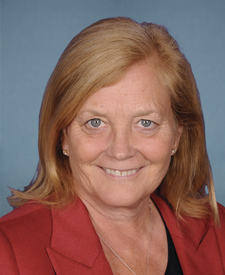
Ms. McClellan (for herself, Mr. Lawler, Mr. Sorensen, Ms. Bonamici, …
Referred to the Committee on Science, Space, and Technology, and …
Introduced in House
Stakeholder Effects
cui bono?How this legislation distributes effects. Mention counts reflect frequency, not effect magnitude.
EPA climate staff, Office of Science and Technology Policy, USDA research staff
Bill Structure & Actor Mappings
Who is "The Secretary" in each section?
We use a combination of our own taxonomy and classification in addition to large language models to assess meaning and potential beneficiaries. High confidence means strong textual evidence. Always verify with the original bill text.
Learn more about our methodology