FENCES Act
Summary
What This Bill Does
The FENCES Act changes Clean Air Act rules for pollution that states argue is beyond their control. It amends section 179B so foreign emissions count regardless of whether they come from human activity. If a state shows EPA that an area would meet a new or revised national ambient air quality standard but for emissions from outside the United States, EPA could not designate that area as nonattainment for that pollutant.
The bill also creates a new section 179C for severe or extreme ozone nonattainment areas and serious particulate matter nonattainment areas. No Clean Air Act section 179 sanction or section 185 fee would apply to a state, area, or source if the state demonstrates that the deficiency or missed attainment deadline would have been avoided but for emissions outside the nonattainment area, exceptional events, or mobile-source emissions that are beyond state control while the state is fully implementing available mobile-source controls. The relief does not remove the underlying duty to establish and implement measures to attain ozone or particulate standards. To keep the relief, the state must renew the demonstration at least once every five years.
Who Benefits and How
States near international borders benefit because they can make a formal showing that foreign emissions prevent attainment and avoid new nonattainment designations. Severe ozone nonattainment states and extreme ozone nonattainment states benefit from a route to avoid sanctions or fees when outside emissions, exceptional events, or uncontrollable mobile sources drive the problem. Serious particulate matter nonattainment states benefit from similar fee and sanction protection. Industrial facilities in affected nonattainment areas benefit if state demonstrations prevent sanctions or section 185 fee exposure. Mobile-source operators benefit when states show those emissions are beyond state control despite available control measures. Border-region employers benefit if fewer sanctions restrict permitting or transportation funding.
Who Bears the Burden and How
State air quality agencies must prepare technical demonstrations for EPA and renew them every five years. EPA air-quality designation staff must evaluate foreign-emissions demonstrations for new or revised standards. EPA enforcement programs lose some sanction and fee leverage when states satisfy the new section 179C test. Residents in polluted nonattainment areas may bear continued health risk because the bill preserves attainment obligations but blocks some penalties. Environmental advocacy organizations may need to challenge state demonstrations rather than relying on automatic sanctions or fees.
Key Provisions
- Expands Clean Air Act section 179B to cover emissions from outside the United States regardless of human activity.
- Blocks nonattainment designations when a state proves the area would attain but for foreign emissions.
- Creates section 179C relief from sanctions and fees for severe ozone, extreme ozone, and serious particulate nonattainment areas.
- Provides relief for emissions outside the nonattainment area, exceptional events, and uncontrollable mobile-source emissions.
- Requires states to continue implementing measures to attain air-quality standards.
- Requires states to renew section 179C demonstrations at least once every five years.
Evidence Chain:
This summary is generated from the full bill text using AI analysis. Expand "Detailed Analysis" below for identified beneficiaries/burden bearers with clause-level evidence links.
At a Glance
What This Bill Does
Amends Clean Air Act foreign-emissions and nonattainment provisions so states can avoid new nonattainment designations, sanctions, and section 185 fees when they demonstrate that an area would meet ozone or particulate standards but for emissions outside the United States, exceptional events, or uncontrollable mobile-source emissions, while requiring renewal of the demonstration every five years.
Key Policy Areas
Air Quality, Environmental Regulation, State Implementation Plans
Primary Purpose
Amends Clean Air Act foreign-emissions and nonattainment provisions so states can avoid new nonattainment designations, sanctions, and section 185 fees when they demonstrate that an area would meet ozone or particulate standards but for emissions outside the United States, exceptional events, or uncontrollable mobile-source emissions, while requiring renewal of the demonstration every five years.
Policy Domains
House resolution provisions
Identified Gains
- States near international borders
- Severe ozone nonattainment states
- Extreme ozone nonattainment states
- Serious particulate matter nonattainment states
- Industrial facilities in affected nonattainment areas
- Mobile-source operators
- Border-region employers
Identified Costs
- State air quality agencies
- EPA air-quality designation staff
- EPA enforcement programs
- Residents in polluted nonattainment areas
- Environmental advocacy organizations
Sponsors
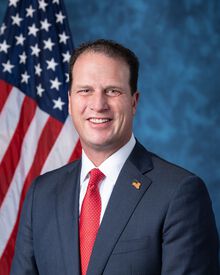
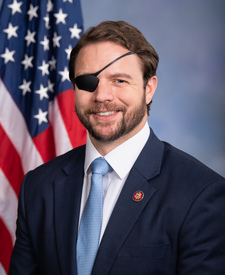

Legislative Progress
ReportedReceived in the Senate and Read twice and referred to …
Received; read twice and referred to the Committee on Environment …
Motion to reconsider laid on the table Agreed to without …
On passage Passed by the Yeas and Nays: 220 - …
Passed/agreed to in House: On passage Passed by the Yeas …
On motion to recommit Failed by the Yeas and Nays: …
Considered as unfinished business. (consideration: CR H2937-2938)
POSTPONED PROCEEDINGS - At the conclusion of debate on H.R. …
The previous question on the motion to recommit was ordered …
Mr. Min moved to recommit to the Committee on Energy …
Stakeholder Effects
cui bono?How this legislation distributes effects. Mention counts reflect frequency, not effect magnitude.
Extreme ozone nonattainment states, Serious particulate nonattainment states, Severe ozone nonattainment states
Industrial facilities in affected nonattainment areas
Bill Structure & Actor Mappings
Who is "The Secretary" in each section?
- "epa"
- → Environmental Protection Agency
We use a combination of our own taxonomy and classification in addition to large language models to assess meaning and potential beneficiaries. High confidence means strong textual evidence. Always verify with the original bill text.
Learn more about our methodology