To limit engagement with the Government of Mexico unless Mexico provides water to the United States pursuant to its obligations under the Treaty relating to the Utilization of Waters of the Colorado and Tijuana Rivers and of the Rio Grande.
Sponsors
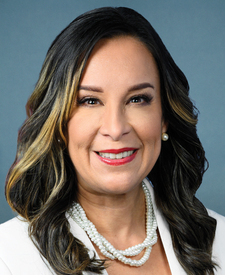
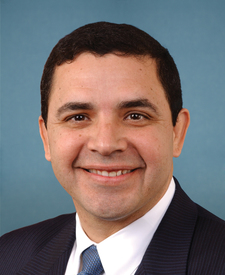
Legislative Progress
IntroducedMs. De La Cruz (for herself and Mr. Cuellar) introduced …
Summary
What This Bill Does
This bill creates a system to pressure Mexico into delivering water owed to the United States under a 1944 treaty governing the Colorado, Tijuana, and Rio Grande rivers. It requires the Secretary of State to report annually on whether Mexico is meeting its water delivery obligations, and gives the President authority to deny Mexico's requests for emergency water deliveries and limit diplomatic engagement with Mexican economic sectors if Mexico falls short.
Who Benefits and How
US farmers and irrigators in the Lower Rio Grande Valley and Texas border regions would benefit from increased water deliveries if Mexico complies with treaty obligations. US municipal water systems in border communities would gain more reliable water supplies. US agricultural interests gain leverage to pressure Mexico into water treaty compliance.
Who Bears the Burden and How
Mexican agricultural irrigation districts face the risk of losing access to emergency US water deliveries. Mexican municipal water systems (especially Tijuana) could be denied emergency Colorado River water during shortfalls. The US State Department must produce detailed annual reports and certifications. US-Mexico diplomatic relations and cross-border trade could be strained.
Key Provisions
- Requires annual State Department reports on Mexico's water deliveries (minimum 350,000 acre-feet per year threshold)
- Mandates denial of Mexico's "non-Treaty" emergency water requests if Mexico fails to meet delivery obligations
- Authorizes the President to limit diplomatic engagement with Mexican economic sectors dependent on US water
- Provides exception for true ecological, environmental, or humanitarian emergencies vital to US interests
- Preserves engagement related to fentanyl and synthetic drug interdiction
Evidence Chain:
This summary is derived from the structured analysis below. See "Detailed Analysis" for per-title beneficiaries/burden bearers with clause-level evidence links.
Primary Purpose
Establishes reporting requirements and punitive measures to enforce Mexico's compliance with 1944 water treaty obligations for the Colorado, Tijuana, and Rio Grande rivers.
Policy Domains
Legislative Strategy
"Leverage US water resources and diplomatic engagement as pressure mechanisms to compel Mexico to meet its treaty-mandated water delivery obligations to the United States"
Likely Beneficiaries
- US agricultural irrigators in Texas and border regions dependent on Rio Grande water
- US farmers and ranchers in the Lower Rio Grande Valley
- US municipal water systems near the Mexican border
Likely Burden Bearers
- Mexican irrigation districts and agricultural sectors dependent on US-delivered water
- Mexican municipal water systems (particularly Tijuana) dependent on emergency Colorado River deliveries
- Mexican economic sectors identified as dependent on treaty-related water resources
- US-Mexico diplomatic relations
Bill Structure & Actor Mappings
Who is "The Secretary" in each section?
- "the_president"
- → President of the United States
- "the_secretary"
- → Secretary of State
Key Definitions
Terms defined in this bill
The Treaty relating to the Utilization of Waters of the Colorado and Tijuana Rivers and of the Rio Grande, signed at Washington February 3, 1944 (9 Bevans 1166), between the United States and Mexico
The Committee on Foreign Relations of the Senate and the Committee on Foreign Affairs of the House of Representatives
An emergency request for special delivery channels for the delivery of water made pursuant to any current or future Minute of the International Boundary and Water Commission based on the principles established in Commission Minute No. 240 (Emergency Deliveries of Colorado River Waters for Use in Tijuana)
We use a combination of our own taxonomy and classification in addition to large language models to assess meaning and potential beneficiaries. High confidence means strong textual evidence. Always verify with the original bill text.
Learn more about our methodology