Brandon Act Training and Protocol Act
Summary
What This Bill Does
The Brandon Act Training and Protocol Act turns the Brandon Act mental health referral right into a training, awareness, and implementation plan for the Armed Forces. The Secretary of Defense, the military department Secretaries, and the Defense Health Agency Director must develop a strategic plan covering uniform protocols for self-initiated mental health referrals under 10 U.S.C. 1090b(e), posters and other workplace materials so service members know how to use the process, standardized training for all service members, specialized training for commanders, senior enlisted leaders, and medical personnel, and a certification process showing compliance. The practical effect is to make the referral pathway more visible and harder for commands or medical systems to treat inconsistently.
Who Benefits and How
Service members benefit because the bill pushes the military health system to make self-initiated mental health referrals easier to recognize and use. Commanders, senior enlisted leaders, and military medical personnel benefit from clearer instructions on how to respond when a service member invokes the Brandon Act process. Families of service members may benefit indirectly if earlier referral and crisis response reduce suicide and untreated distress risk.
Who Bears the Burden and How
The Defense Department, military departments, and Defense Health Agency bear the implementation burden of writing the plan, standardizing training, producing awareness materials, and certifying compliance. Unit leaders and medical personnel take on extra training and response obligations. Federal taxpayers fund the administrative and training work.
Key Provisions
- Requires a strategic plan on Brandon Act self-initiated mental health referral protocols.
- Requires workplace posters, flyers, advertisements, and related materials so service members know the referral process exists.
- Requires standardized mental health training for service members.
- Requires specialized training for commanders, senior enlisted leaders, and medical personnel on referral response and signs of distress.
- Requires a certification process demonstrating compliance with the plan.
Evidence Chain:
This summary is generated from the full bill text using AI analysis. Expand "Detailed Analysis" below for identified beneficiaries/burden bearers with clause-level evidence links.
At a Glance
What This Bill Does
Requires the Defense Department, military department Secretaries, and Defense Health Agency Director to create a strategic plan for Brandon Act mental health referral protocols, workplace awareness, standardized training, specialized leader and medical training, and compliance certification.
Key Policy Areas
Defense, Health Care, Veterans
Primary Purpose
Requires the Defense Department, military department Secretaries, and Defense Health Agency Director to create a strategic plan for Brandon Act mental health referral protocols, workplace awareness, standardized training, specialized leader and medical training, and compliance certification.
Policy Domains
Substantive provisions
Identified Gains
- Armed Forces service members
- Commanders
- Senior enlisted leaders
- Military medical personnel
- Service member families
Identified Costs
- Defense Department mental health officials
- Military department Secretaries
- Defense Health Agency
- Unit commanders
- Federal taxpayers
Sponsors



Legislative Progress
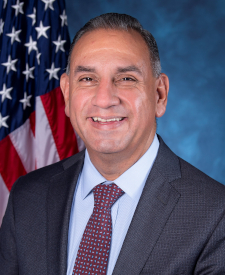
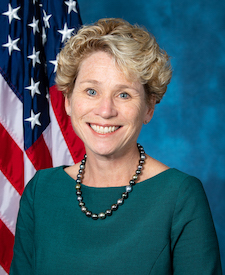
In CommitteeMr. Cisneros (for himself and Mrs. Kiggans of Virginia) introduced …
Referred to the House Committee on Armed Services.
Introduced in House
Stakeholder Effects
cui bono?How this legislation distributes effects. Mention counts reflect frequency, not effect magnitude.
Armed Forces service members, Military commanders, Senior enlisted leaders
Positive-direction: Armed Forces service members
Negative-direction: Military commanders, Senior enlisted leaders
Bill Structure & Actor Mappings
Who is "The Secretary" in each section?
We use a combination of our own taxonomy and classification in addition to large language models to assess meaning and potential beneficiaries. High confidence means strong textual evidence. Always verify with the original bill text.
Learn more about our methodology