Brandon Act Training and Protocol Act
Sponsors
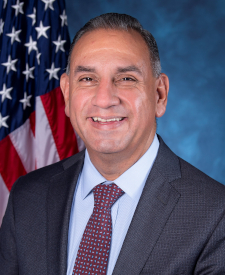


Legislative Progress
In CommitteeMr. Cisneros (for himself and Mrs. Kiggans of Virginia) introduced …
Summary
What This Bill Does
The Brandon Act Training and Protocol Act requires the Secretary of Defense to create a comprehensive strategic plan addressing suicide prevention and mental health services for members of the Armed Forces. The bill aims to solve the problem of inconsistent mental health protocols across military branches and ensure service members know how to access mental health evaluations.
Who Benefits and How
Active duty military service members seeking mental health care benefit the most, as this bill creates uniform, standardized procedures for self-initiated mental health referrals across all branches. Service members will have clearer pathways to request mental health evaluations without relying on commander approval. Military families and veterans advocacy groups also benefit from improved mental health infrastructure in the armed forces.
Who Bears the Burden and How
The Department of Defense must develop and implement the strategic plan, creating new compliance obligations. Military commanders and senior enlisted leaders face additional training requirements and must complete certification programs with documented compliance. The Defense Health Agency takes on operational changes to enforce uniform protocols. Medical personnel must undergo specialized training on identifying and responding to mental health concerns.
Key Provisions
- Requires development of uniform protocols for the self-initiated mental health referral process under existing law (10 USC 1090b(e))
- Mandates information campaigns including workplace posters, flyers, and advertisements to inform service members of their mental health referral rights
- Creates standardized mental health training for commanders, senior enlisted leaders, and medical personnel
- Establishes a certification process with documented proof of compliance for military leadership
- Requires training on how to respond when service members initiate mental health referrals and recognize signs of mental distress
Evidence Chain:
This summary is derived from the structured analysis below. See "Detailed Analysis" for per-title beneficiaries/burden bearers with clause-level evidence links.
Primary Purpose
Requires the Secretary of Defense to develop a strategic plan addressing suicide prevention and mental health services for members of the Armed Forces, including standardized training and uniform protocols for self-initiated mental health referrals.
Policy Domains
Legislative Strategy
"Improve military mental health services through mandatory standardized training and enforcement of uniform protocols to prevent service member suicides"
Likely Beneficiaries
- Active duty military service members seeking mental health care
- Military families
- Veterans advocacy groups
Likely Burden Bearers
- Department of Defense (implementation costs)
- Military commanders (additional training requirements)
- Defense Health Agency (operational changes)
- Senior enlisted leaders (compliance obligations)
Bill Structure & Actor Mappings
Who is "The Secretary" in each section?
- "the_director"
- → Director of the Defense Health Agency
- "the_secretary"
- → Secretary of Defense
- "secretary_of_military_department"
- → Secretary of each military department (Army, Navy, Air Force)
Key Definitions
Terms defined in this bill
The process under section 1090b(e) of title 10, United States Code, for members of the Armed Forces seeking mental health evaluations on their own initiative.
We use a combination of our own taxonomy and classification in addition to large language models to assess meaning and potential beneficiaries. High confidence means strong textual evidence. Always verify with the original bill text.
Learn more about our methodology