This act may be cited as the “Gold Star Siblings Educational Benefits Act
Summary
What This Bill Does
The Gold Star Siblings Educational Benefits Act adds siblings to several VA education-benefit frameworks. Section 2 amends 38 U.S.C. 3501 so brothers and sisters, whether by blood, adoption, recognized guardianship, or family relationship, can qualify alongside spouses and children for Survivors and Dependents Educational Assistance in covered cases. Section 3 amends the Marine Gunnery Sergeant John David Fry Scholarship provisions so child, spouse, or sibling can receive covered benefits, and it defines sibling the same way. Section 4 amends Post-9/11 GI Bill transfer provisions so a sibling can be a person eligible to receive transferred entitlement. It adds rules for siblings age 23 or older and under age 23, allows sibling transferees generally to use benefits until the later of the 15-year delimiting date or age 26, and provides extra timing protection when a sibling under age 26 cannot pursue education because the sibling is acting as a primary provider of personal care services for a veteran or Armed Forces member under the VA caregiver program.
Who Benefits and How
Gold Star siblings and siblings of covered veterans benefit because they can access education benefits previously limited mainly to spouses and children. Sibling caregivers benefit from delayed-use rules when caregiving prevents education before age 26. Veterans and service members who want to support siblings benefit from broader transfer options. Colleges and training programs may benefit from additional VA-funded students.
Who Bears the Burden and How
VA education-benefit adjudicators must update eligibility rules, forms, guidance, payment systems, and caregiver-related timing determinations. Federal taxpayers and VA education accounts bear added benefit costs. Families may need to document sibling relationships through blood, adoption, guardianship, or recognized family relationships.
Key Provisions
- Adds siblings to Survivors and Dependents Educational Assistance eligibility for certain veterans families.
- Defines sibling as a brother or sister by blood, adoption, recognized guardianship, or family relationship.
- Adds siblings to Fry Scholarship eligibility provisions.
- Adds siblings as potential Post-9/11 GI Bill transfer recipients.
- Allows sibling transferees to use transferred benefits until the later of the 15-year delimiting date or age 26.
- Adds delayed-use rules for sibling caregivers who provide personal care services to veterans or Armed Forces members.
Evidence Chain:
This summary is generated from the full bill text using AI analysis. Expand "Detailed Analysis" below for identified beneficiaries/burden bearers with clause-level evidence links.
At a Glance
What This Bill Does
Expands VA education benefits so siblings of certain deceased or disabled veterans can qualify for Survivors and Dependents Educational Assistance, Fry Scholarship benefits, and transferred Post-9/11 GI Bill benefits, including special timing rules for sibling caregivers.
Key Policy Areas
Veterans, Education, Military Families
Primary Purpose
Expands VA education benefits so siblings of certain deceased or disabled veterans can qualify for Survivors and Dependents Educational Assistance, Fry Scholarship benefits, and transferred Post-9/11 GI Bill benefits, including special timing rules for sibling caregivers.
Policy Domains
Substantive provisions
Identified Gains
- Gold Star siblings
- Sibling caregivers
- Veterans transferring education benefits
- Colleges serving VA-funded students
Identified Costs
- VA education-benefit adjudicators
- VA caregiver program staff
- Federal taxpayers
- Families documenting sibling relationships
Sponsors
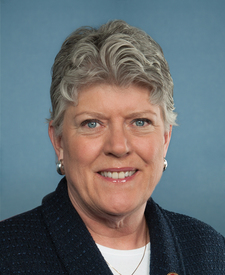
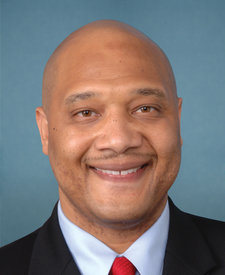

Legislative Progress
In CommitteeReferred to the Subcommittee on Economic Opportunity.
Ms. Brownley introduced the following bill; which was referred to …
Referred to the House Committee on Veterans' Affairs.
Introduced in House
Bill Structure & Actor Mappings
Who is "The Secretary" in each section?
We use a combination of our own taxonomy and classification in addition to large language models to assess meaning and potential beneficiaries. High confidence means strong textual evidence. Always verify with the original bill text.
Learn more about our methodology