To prohibit the admission of aliens to the United States for 10 years, and for other purposes.
Summary
What This Bill Does
This bill imposes an across-the-board 10-year ban on admission of aliens to the United States. Starting on the date of enactment and ending ten years later, no alien may be admitted. The text does not create exceptions for immigrant visas, nonimmigrant visas, refugees, asylum-related admissions, parole, family-based immigration, employment-based immigration, students, tourists, diplomats, seasonal workers, or humanitarian categories. Because admission is the legal act of allowing a noncitizen to enter the United States after inspection, the bill would operate at ports of entry, visa processing, and other admission channels unless another law controlled the specific situation.
Who Benefits and How
Immigration-restriction advocates benefit because the bill would create a simple statutory bar rather than a category-by-category admissions limit. DHS, CBP, and consular officials could benefit from a bright-line rule if implemented as written, although operational demands would remain. Workers who face competition from newly admitted foreign workers could benefit in some sectors.
Who Bears the Burden and How
Aliens seeking admission, U.S. citizen family members, lawful permanent resident families, universities, employers, tourism businesses, seasonal industries, refugee resettlement groups, and humanitarian organizations bear heavy burdens because the bill text contains no admissions exceptions. CBP officers, State Department consular staff, USCIS officers, and immigration courts would face implementation, denial, and litigation work.
Key Provisions
- Bars admission of aliens to the United States beginning on enactment.
- Sets the ban to last for ten years after enactment.
- Provides no express category exceptions in the operative text.
- Affects both immigrant and nonimmigrant admission channels unless another law overrides or limits application.
- Creates a broad enforcement and litigation burden for immigration agencies.
Evidence Chain:
This summary is generated from the full bill text using AI analysis. Expand "Detailed Analysis" below for identified beneficiaries/burden bearers with clause-level evidence links.
At a Glance
What This Bill Does
Prohibits admission of any alien to the United States for a 10-year period beginning on enactment.
Key Policy Areas
Immigration, Border Security, Labor
Primary Purpose
Prohibits admission of any alien to the United States for a 10-year period beginning on enactment.
Policy Domains
Substantive provisions
Identified Gains
- Immigration-restriction advocates
- Some domestic workers
- Border admission enforcement officials
Identified Costs
- Aliens seeking admission
- U.S. citizen family members
- Universities
- Employers hiring foreign workers
- Tourism businesses
- Refugee resettlement organizations
- CBP officers
- Consular officers
Sponsors

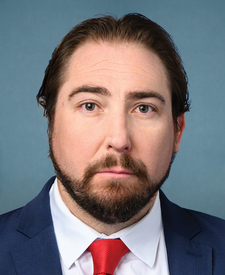
Legislative Progress
In CommitteeMr. Gosar (for himself and Mr. Crane) introduced the following …
Referred to the House Committee on the Judiciary.
Introduced in House
Bill Structure & Actor Mappings
Who is "The Secretary" in each section?
We use a combination of our own taxonomy and classification in addition to large language models to assess meaning and potential beneficiaries. High confidence means strong textual evidence. Always verify with the original bill text.
Learn more about our methodology