Baby Changing in Health Centers Act
Sponsors
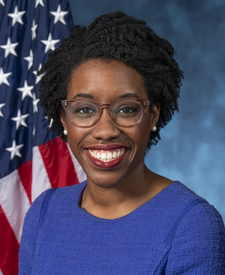
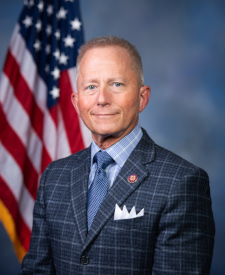
Legislative Progress
In CommitteeMs. Underwood (for herself and Mr. Van Drew) introduced the …
Summary
What This Bill Does
This bill requires all federally-funded health centers to install baby changing tables in their public restrooms as a condition of receiving federal grants. The law gives health centers up to 5 years to comply with existing facilities, but new or renovated facilities must comply immediately.
Who Benefits and How
Parents and caregivers using federally-funded health centers benefit by gaining access to safe, sanitary baby changing facilities in restrooms. Baby changing table manufacturers and distributors benefit from a guaranteed new market, as thousands of federally-funded health centers will need to purchase their products to comply with this mandate. Health centers themselves also benefit from receiving up to $5 million in federal funding specifically to help pay for the tables, plus they can use their existing grant money for this purpose.
Who Bears the Burden and How
Federally-funded health centers face a new compliance requirement and must install baby changing tables in public restrooms, though the burden is reduced through multiple exemptions (private restrooms don't need them, facilities can use directional signs instead of tables in every restroom, and centers can be exempted if construction costs are too high). Federal taxpayers fund the $5 million appropriation to help health centers comply. The Health and Human Services Secretary can also waive the requirement or extend deadlines in cases of hardship.
Key Provisions
- Mandates baby changing tables in public restrooms at all federally-funded health centers receiving Section 330 grants
- Exempts private restrooms and allows directional signage as an alternative to tables in every restroom
- Provides $5 million in federal funding to help health centers purchase and install the tables
- Allows health centers to waive the requirement if construction would be "unfeasible"
- Gives existing facilities 5 years to comply; new or renovated facilities must comply immediately upon enactment
- Does not override stricter state or local requirements for baby changing tables
Evidence Chain:
This summary is derived from the structured analysis below. See "Detailed Analysis" for per-title beneficiaries/burden bearers with clause-level evidence links.
Primary Purpose
Require federally-funded health centers to equip restrooms with baby changing tables as a condition of receiving grants
Policy Domains
Legislative Strategy
"Improve family-friendly infrastructure in federally-funded health facilities through a compliance mandate with flexible exemptions and dedicated funding support"
Likely Beneficiaries
- Parents and caregivers using health center facilities
- Baby changing table manufacturers and installers
- Federally Qualified Health Centers (FQHCs) receiving M in implementation funding
Likely Burden Bearers
- Health centers that must install tables (though mitigated by grant funding and exemptions)
- Taxpayers funding the M appropriation
Bill Structure & Actor Mappings
Who is "The Secretary" in each section?
- "the_secretary"
- → Secretary of Health and Human Services
Key Definitions
Terms defined in this bill
A health center receiving assistance under a grant pursuant to Section 330 of the Public Health Service Act (federally qualified health centers)
An elevated, freestanding structure generally designed to support and retain a child with a body weight of up to 30 pounds in a horizontal position for the purpose of allowing an individual to change the child's diaper, including pull-out or drop-down changing surfaces
We use a combination of our own taxonomy and classification in addition to large language models to assess meaning and potential beneficiaries. High confidence means strong textual evidence. Always verify with the original bill text.
Learn more about our methodology