To protect against illicit oil shipments, and for other purposes.
Analysis under review: This bill has generated analysis that may be too generic or incomplete. Clause-level evidence remains available below.
Summary
What This Bill Does
This bill, To protect against illicit oil shipments, and for other purposes., changes federal law or congressional policy affecting financial institutions, investors, and borrowers. The main policy domain is Finance, Foreign Policy, Government Operations.
Who Benefits and How
financial institutions, investors, and borrowers may benefit from new authority, funding, eligibility, regulatory clarity, or reduced risk created by the bill.
Who Bears the Burden and How
federal implementing agencies, financial institutions, investors, and borrowers may take on implementation duties, reporting obligations, compliance costs, or oversight responsibilities.
Key Provisions
- Section H129EC394C4DB45CDA108CC38BBFF0D2F: 1. Short title This Act may be cited as the Stopping Illicit Oil Shipments Act of 2023.
- Section H80B0A3DDBD5C4A53BE5D2704B776B8E2: 2. Findings The Congress finds the following: When countries are designated under economic and trade sanctions by the United States and its allies, they are...
- Section H4258C48AAF784C60B0E582A857EAF58C: 3. Material misrepresentation In maritime insurance contracts, failure to verify a vessel’s registration shall be deemed a material misrepresentation by the...
- Section HBACB7E1923B94EBEAC361B32DA30AE06: 4. Identification of vessels with illicit maritime insurance The primary insurance regulatory authority of a State may report to the Undersecretary for...
- Section H7254F162D6A24BEEBDA667F6E273C46A: 5. Report Not later than the end of the 180-day period beginning on the date of the enactment of this Act, and annually thereafter for 5 years, the Secretary...
Evidence Chain:
This summary is generated from the full bill text using AI analysis. Expand "Detailed Analysis" below for identified beneficiaries/burden bearers with clause-level evidence links.
At a Glance
What This Bill Does
This bill, To protect against illicit oil shipments, and for other purposes., changes federal law or congressional policy affecting financial institutions, investors, and borrowers.
Key Policy Areas
Finance, Foreign Policy, Government Operations
Primary Purpose
This bill, To protect against illicit oil shipments, and for other purposes., changes federal law or congressional policy affecting financial institutions, investors, and borrowers.
Policy Domains
Whole bill
Identified Gains
- financial institutions, investors, and borrowers
Identified Costs
- federal implementing agencies
- financial institutions, investors, and borrowers
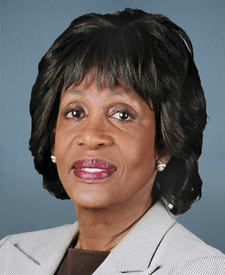
Sponsors
Legislative Progress
ReportedReported with an amendment, committed to the Committee of the …
Ms. Waters introduced the following bill; which was referred to …
Impact analysis is available but no clear stakeholder effects identified. View clause-level analysis →
Bill Structure & Actor Mappings
Who is "The Secretary" in each section?
- "secretary_of_treasury"
- → Secretary of the Treasury
Key Definitions
Terms defined in this bill
the process— by which a vessel is formally recognized by a country’s maritime authority, resulting in the vessel’s inclusion in the national vessel registry
We use a combination of our own taxonomy and classification in addition to large language models to assess meaning and potential beneficiaries. High confidence means strong textual evidence. Always verify with the original bill text.
Learn more about our methodology