Build Now Act of 2025
Summary
What This Bill Does
The Build Now Act ties part of the Community Development Block Grant formula to local housing growth. It defines covered recipients as metropolitan cities and urban counties receiving CDBG section 106 funds, then excludes certain jurisdictions from the adjustment if housing costs, vacancy, disasters, emergencies, or lack of zoning authority make the metric inappropriate. For eligible recipients, HUD must calculate current annual housing growth and housing growth improvement rates. Beginning with the third full fiscal year after enactment and running through fiscal year 2043, recipients at or above the median housing growth improvement rate, and extremely high-growth recipients, receive bonus CDBG amounts. The bonus pool comes from decreases applied to eligible recipients below the median growth-improvement rate. HUD must publish annual reports showing each eligible recipient growth-improvement rate and listing recipients that received bonuses or reductions. Within 60 days of enactment, HUD must notify each eligible recipient of its rate and whether it is above, at, or below the median, and must share guidance and resources on reducing regulatory barriers to housing and increasing supply.
Who Benefits and How
Fast-growing cities and urban counties benefit because stronger housing growth can generate CDBG bonus funds. Housing developers and renters in supply-constrained jurisdictions may benefit if local governments respond by reforming zoning, permitting, or regulatory barriers. HUD policy staff and researchers gain a public dataset on housing growth improvement rates across CDBG recipients.
Who Bears the Burden and How
Eligible cities and urban counties with below-median housing growth improvement rates can lose CDBG dollars. Local governments must track HUD notices, evaluate zoning and permitting reforms, and absorb political pressure tied to bonus or reduction status. HUD staff must calculate rates, adjust allocations, publish reports, and provide regulatory-barrier guidance through 2043.
Key Provisions
- Defines eligible CDBG recipients and exemptions based on affordability, vacancy, disasters, emergencies, and zoning authority.
- Requires HUD to calculate housing growth improvement rates for metropolitan cities and urban counties receiving section 106 funds.
- Provides CDBG bonus amounts to eligible recipients at or above the median growth-improvement rate and to extremely high-growth recipients.
- Reduces allocations for eligible recipients below the median growth-improvement rate to fund the bonus pool.
- Requires annual HUD reports naming bonus recipients, reduction recipients, and each eligible recipient growth-improvement rate.
- Requires HUD notices and regulatory-barrier guidance within 60 days, with allocation adjustments effective through fiscal year 2043.
Evidence Chain:
This summary is generated from the full bill text using AI analysis. Expand "Detailed Analysis" below for identified beneficiaries/burden bearers with clause-level evidence links.
At a Glance
What This Bill Does
Adjusts Community Development Block Grant allocations through fiscal year 2043 by rewarding metropolitan cities and urban counties with stronger housing growth improvement rates and reducing allocations for eligible recipients below the median growth-improvement rate, while requiring HUD reports, notices, and regulatory-barrier guidance.
Key Policy Areas
Housing, Community Development, Local Government
Primary Purpose
Adjusts Community Development Block Grant allocations through fiscal year 2043 by rewarding metropolitan cities and urban counties with stronger housing growth improvement rates and reducing allocations for eligible recipients below the median growth-improvement rate, while requiring HUD reports, notices, and regulatory-barrier guidance.
Policy Domains
Substantive provisions
Identified Gains
- High-growth metropolitan cities
- High-growth urban counties
- Housing developers
- Renters in supply-constrained markets
- HUD housing policy analysts
Identified Costs
- Low-growth CDBG recipients
- Local zoning officials
- HUD grant formula staff
- Communities losing CDBG dollars
Sponsors

Legislative Progress
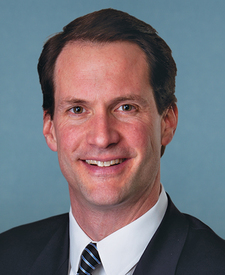
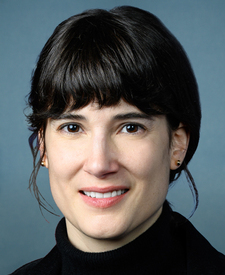
In CommitteeMrs. McClain (for herself and Mr. Himes) introduced the following …
Referred to the Committee on Financial Services, and in addition …
Introduced in House
Stakeholder Effects
cui bono?How this legislation distributes effects. Mention counts reflect frequency, not effect magnitude.
Disaster-affected CDBG recipients, High-growth CDBG recipients, Local zoning officials
Positive-direction: Disaster-affected CDBG recipients, High-growth CDBG recipients
Negative-direction: Local zoning officials, Low-growth CDBG recipients
HUD CDBG formula staff, HUD housing policy analysts
Bill Structure & Actor Mappings
Who is "The Secretary" in each section?
We use a combination of our own taxonomy and classification in addition to large language models to assess meaning and potential beneficiaries. High confidence means strong textual evidence. Always verify with the original bill text.
Learn more about our methodology