Veteran Education Empowerment Act
Summary
What This Bill Does
The Veteran Education Empowerment Act expands the Student Veteran Center grant program in the Higher Education Act. The bill responds to findings that nearly 1,000,000 veterans attend higher education each year and often face age differences, family obligations, time away from school, service-related disabilities, isolation, and transition barriers. It directs the Education Secretary to award grants to colleges or consortia that enroll significant numbers or percentages of student veterans, active-duty service members, or reserve component members and that submit sustainability plans for keeping the center operating after the grant ends. Priority goes to institutions in veteran-heavy communities, rural and urban institutions of different sizes, schools serving student veterans families, institutions partnering with veteran service organizations or workforce boards, and schools that hire center staff including veterans, student veterans, and work-study participants. Centers can provide dedicated campus space, orientation separate from general new-student orientation, benefits counseling, VA coordination, financial and legal support referrals, disability-rights information, academic policies and transfer-credit help, tutoring, peer mentoring, and career support. Each grant lasts four years and may not exceed $500,000. The bill authorizes such sums as necessary for fiscal year 2026 and the following seven fiscal years, requires a congressional report within three years of the first grant, and requires an Education Department website on Student Veteran Center best practices.
Who Benefits and How
Student veterans benefit from dedicated campus space, peer connection, benefits navigation, tutoring, disability-rights information, and transition support. Active-duty students and reserve component students benefit because eligible institutions can count and serve them. Spouses, partners, and children of student veterans benefit where centers provide family-oriented services. Colleges with large veteran populations benefit from federal support for centers that budget constraints might otherwise block.
Who Bears the Burden and How
The Education Department must run the grant competition, disburse funds, review sustainability plans, report to Congress, and build a best-practices website. Applicant institutions must prepare applications, operate centers, hire qualified staff, provide separate veteran orientation, collect demographic and outcome data, and sustain the center after the grant period. Federal taxpayers fund the authorized grant program.
Key Provisions
- Authorizes Student Veteran Center grants for institutions of higher education and consortia.
- Requires eligibility based on significant student veteran, active-duty, or reserve component enrollment plus a sustainability plan.
- Prioritizes veteran-heavy regions, varied institution types, veteran-family services, community partnerships, and veteran-inclusive staffing.
- Provides four-year grants capped at $500,000 for center establishment, maintenance, improvement, and operation.
- Requires services such as separate veteran orientation, benefits guidance, disability-rights information, tutoring, peer mentorship, and career support.
- Requires a congressional report and an Education Department best-practices website within three years of the first grant.
Evidence Chain:
This summary is generated from the full bill text using AI analysis. Expand "Detailed Analysis" below for identified beneficiaries/burden bearers with clause-level evidence links.
At a Glance
What This Bill Does
Reauthorizes and rewrites Higher Education Act grants for Student Veteran Centers, allowing institutions of higher education and consortia to receive up to $500,000 over four years to establish, maintain, improve, and operate campus centers serving student veterans, active-duty students, reserve component students, and their families.
Key Policy Areas
Education, Veterans, Higher Education
Primary Purpose
Reauthorizes and rewrites Higher Education Act grants for Student Veteran Centers, allowing institutions of higher education and consortia to receive up to $500,000 over four years to establish, maintain, improve, and operate campus centers serving student veterans, active-duty students, reserve component students, and their families.
Policy Domains
Substantive provisions
Identified Gains
- Student veterans
- Active-duty students
- Reserve component students
- Student veteran family members
- Institutions serving veterans
- Veteran service organizations
Identified Costs
- Education Department grant staff
- College veteran center staff
- Applicant institutions
- Federal taxpayers
Sponsors
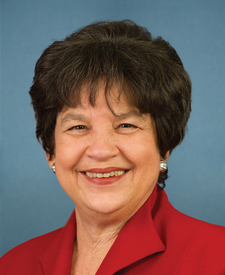


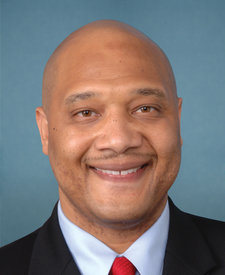
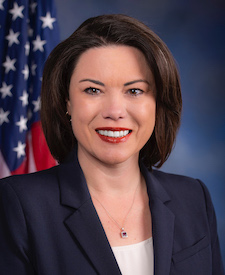
Legislative Progress
In CommitteeMs. Lois Frankel of Florida (for herself, Mr. Bilirakis, Mr. …
Referred to the House Committee on Education and Workforce.
Introduced in House
Stakeholder Effects
cui bono?How this legislation distributes effects. Mention counts reflect frequency, not effect magnitude.
College veteran center staff, Institutions of higher education, Institutions serving veterans
Bill Structure & Actor Mappings
Who is "The Secretary" in each section?
We use a combination of our own taxonomy and classification in addition to large language models to assess meaning and potential beneficiaries. High confidence means strong textual evidence. Always verify with the original bill text.
Learn more about our methodology