Corporal Fernando Ruiz Baltazar Posthumous Citizenship Act of 2025
Summary
What This Bill Does
The Corporal Fernando Ruiz Baltazar Posthumous Citizenship Act amends section 329A of the Immigration and Nationality Act. It expands the class of deceased service members who may receive posthumous citizenship to include otherwise qualified aliens or noncitizen nationals who served honorably in active-duty status, died from injury or disease incurred or aggravated by that service, and enlisted, reenlisted, extended enlistment, or were inducted in the Philippines during the September 1, 1939 through December 31, 1946 wartime period. The bill assigns the relevant military department responsibility for determining whether the service-member requirements are met. It also adjusts timing rules so eligible family members can file requests after enactment and removes certain limits that otherwise apply to spouses or immigration treatment in these Philippines-enlistment cases.
Who Benefits and How
Families of eligible Filipino World War II service members benefit because the bill creates a path for posthumous citizenship recognition even when enlistment occurred in the Philippines during the wartime period. Deceased service member spouses, children, and parents may benefit from the symbolic recognition and any derivative immigration treatment linked to the amended INA process. Veterans advocates benefit from a clearer statutory route for these historical cases.
Who Bears the Burden and How
Military departments must determine whether service, death, and Philippines-enlistment criteria are satisfied. USCIS and immigration adjudicators must process requests under the amended timing rules. Federal records offices may need to locate old wartime service and death documentation.
Key Provisions
- Expands INA posthumous citizenship eligibility for qualifying noncitizens who enlisted or were inducted in the Philippines during World War II.
- Requires honorable active-duty service and death from injury or disease incurred or aggravated by that service.
- Directs the responsible military department to determine whether the Philippines-enlistment criteria are met.
- Adjusts family request timing and related immigration limits for the newly covered cases.
Evidence Chain:
This summary is generated from the full bill text using AI analysis. Expand "Detailed Analysis" below for identified beneficiaries/burden bearers with clause-level evidence links.
At a Glance
What This Bill Does
Expands posthumous citizenship eligibility for otherwise qualified noncitizens who served honorably in the U.S. armed forces, died from service-connected injury or disease, and enlisted or were inducted in the Philippines between September 1, 1939 and December 31, 1946.
Key Policy Areas
Immigration, Veterans, Military
Primary Purpose
Expands posthumous citizenship eligibility for otherwise qualified noncitizens who served honorably in the U.S. armed forces, died from service-connected injury or disease, and enlisted or were inducted in the Philippines between September 1, 1939 and December 31, 1946.
Policy Domains
Substantive provisions
Identified Gains
- Families of Filipino World War II service members
- Eligible deceased noncitizen veterans
- Veterans advocacy organizations
Identified Costs
- Military department records staff
- USCIS adjudicators
- Federal military records offices
Sponsors
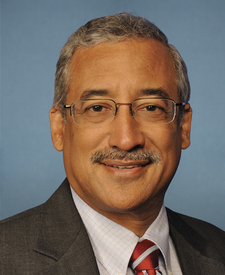
Legislative Progress
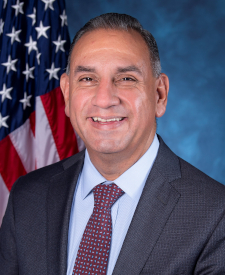
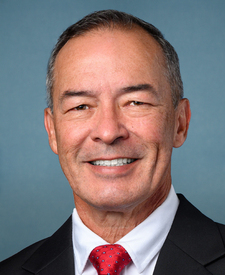
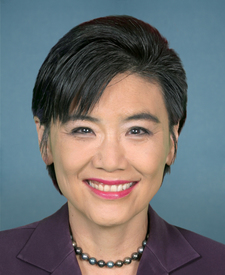
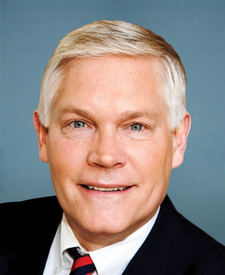
In CommitteeMr. Cisneros (for himself, Mr. Sessions, Ms. Chu, and Mr. …
Referred to the House Committee on the Judiciary.
Introduced in House
Stakeholder Effects
cui bono?How this legislation distributes effects. Mention counts reflect frequency, not effect magnitude.
Eligible deceased noncitizen veterans, Families of Filipino World War II service members
Bill Structure & Actor Mappings
Who is "The Secretary" in each section?
We use a combination of our own taxonomy and classification in addition to large language models to assess meaning and potential beneficiaries. High confidence means strong textual evidence. Always verify with the original bill text.
Learn more about our methodology