To amend the Immigration and Nationality Act to extend honorary citizenship to otherwise qualified noncitizens who enlisted in the Philippines and died while serving on active duty with the United States Armed Forces during certain periods of hostilities, and for other purposes.
Sponsors
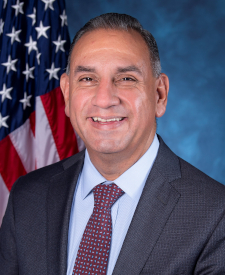
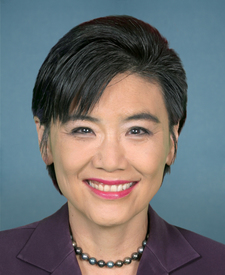
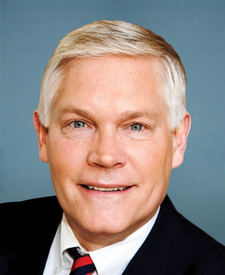
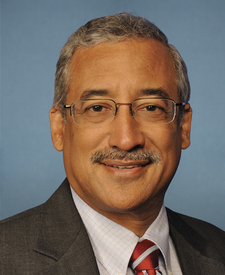
Legislative Progress
IntroducedMr. Cisneros (for himself, Mr. Sessions, Ms. Chu, and Mr. …
Summary
What This Bill Does
The Corporal Fernando Ruiz Baltazar Posthumous Citizenship Act of 2025 grants posthumous U.S. citizenship to noncitizens who enlisted in the military in the Philippines during World War II and died in service. It amends the Immigration and Nationality Act to expand eligibility requirements so that Filipino soldiers who died fighting for the United States between September 1939 and December 1946 can receive this honor, even if they would not have qualified under previous rules.
Who Benefits and How
Families of deceased Filipino WWII veterans benefit by having their loved ones formally recognized as U.S. citizens, providing important symbolic recognition and closure for their sacrifice. Filipino-American community organizations and veterans advocacy groups benefit from this official acknowledgment of Filipino military contributions during WWII. The law removes previous technical barriers that prevented many Filipino soldiers from qualifying for posthumous citizenship simply because they enlisted in the Philippines rather than on U.S. soil.
Who Bears the Burden and How
Federal agencies face minor administrative requirements. The Department of Defense must certify that individuals met the military service requirements, and USCIS must process the citizenship requests. These burdens are minimal given the historical nature of the eligible population (those who died 1939-1946) and the limited number of expected applications.
Key Provisions
- Expands eligibility for posthumous citizenship to include those who enlisted or were inducted in the Philippines and died during the period from September 1, 1939 to December 31, 1946
- Removes requirements under section 319(d) of the INA and section 1703 of the FY2004 NDAA that previously barred some Filipino veterans from qualifying
- Requires the relevant military department to certify that the individual served honorably and died from service-related injury or disease
- Allows family members to request posthumous citizenship with a properly certified military service record
Evidence Chain:
This summary is derived from the structured analysis below. See "Detailed Analysis" for per-title beneficiaries/burden bearers with clause-level evidence links.
Primary Purpose
Grants posthumous U.S. citizenship to noncitizens who enlisted in the Philippines during World War II and died in military service, expanding eligibility under the Immigration and Nationality Act.
Policy Domains
Legislative Strategy
"Expand posthumous citizenship eligibility to honor Filipino WWII veterans who served under U.S. command but were previously excluded due to technical requirements about where they enlisted."
Likely Beneficiaries
- Families and descendants of Filipino WWII veterans who died in service
- Filipino-American veterans organizations
- Historical recognition of Filipino military contributions
Likely Burden Bearers
- USCIS (minor administrative processing)
- Executive departments (certification requirements)
Bill Structure & Actor Mappings
Who is "The Secretary" in each section?
- "the_executive_department"
- → The executive department under which the person served (Department of Defense or relevant military branch)
Key Definitions
Terms defined in this bill
A person who, while an alien or noncitizen national of the United States: (A) served honorably in active-duty status in the U.S. military, air, or naval forces during qualifying periods; (B) died as a result of injury or disease incurred in or aggravated by that service; and (C) either satisfied requirements of section 329(a) or enlisted/was inducted in the Philippines and died during September 1, 1939 to December 31, 1946.
We use a combination of our own taxonomy and classification in addition to large language models to assess meaning and potential beneficiaries. High confidence means strong textual evidence. Always verify with the original bill text.
Learn more about our methodology