To direct the Chief Counsel for Advocacy of the Small Business Administration to establish a hotline to receive notifications of burdensome Government actions, and for other purposes.
Sponsors
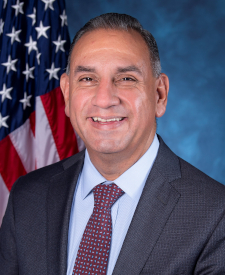
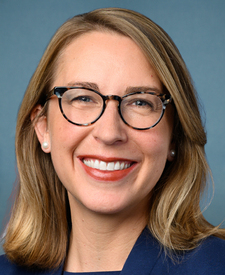
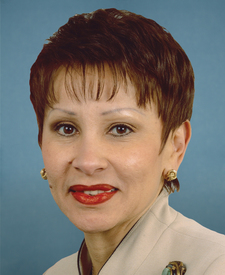
Legislative Progress
IntroducedMr. Cisneros (for himself, Ms. Velázquez, and Ms. Scholten) introduced …
Summary
What This Bill Does
This bill creates a new "Cut the Burden, Keep the Benefits" hotline operated by the Small Business Administration's Office of Advocacy. Small businesses, small nonprofits, and small local governments can use this hotline to report federal regulations, Executive orders, and tariffs that burden them. The SBA Chief Counsel must then advocate on their behalf and submit annual reports to Congress detailing complaints received and actions taken.
Who Benefits and How
Small businesses across all industries benefit by gaining a dedicated channel to report burdensome regulations directly to federal advocates. The SBA Chief Counsel must consider alternatives to minimize regulatory burdens on these entities. Small nonprofits and associations similarly gain a voice in the regulatory process. Small local governments can report federal mandates that strain their resources. The bill specifically addresses tariff-related burdens, helping importers and exporters who can report trade restrictions affecting their operations.
Who Bears the Burden and How
The SBA Office of Advocacy must operate and maintain the hotline, establish a website, and produce detailed annual reports to Congress. These reports require tracking complaints by industry sector, geographic area, and entity type. The Office of Management and Budget must provide regulatory cost-benefit data for rules reported through the hotline. Federal regulatory agencies may face increased scrutiny when their rules generate frequent complaints through the system.
Key Provisions
- Requires the SBA Chief Counsel for Advocacy to establish and operate a regulatory complaint hotline within 180 days
- Creates a website for easy hotline access with email, web form, or phone options
- Mandates annual reports to Congress on complaints received, including breakdowns by industry and geography
- Requires reporting on tariff-related complaints specifically, including costs imposed on small entities
- Directs the Chief Counsel to consider regulatory alternatives that minimize burdens while achieving agency goals
- References the Regulatory Flexibility Act definitions for "small business," "small organization," and "small governmental jurisdiction"
Evidence Chain:
This summary is derived from the structured analysis below. See "Detailed Analysis" for per-title beneficiaries/burden bearers with clause-level evidence links.
Primary Purpose
Establishes a hotline operated by the SBA Chief Counsel for Advocacy to receive complaints from small businesses, small organizations, and small governmental jurisdictions about burdensome federal regulations and government actions, including tariffs.
Policy Domains
Legislative Strategy
"Create a formal channel for small entities to report regulatory burdens directly to the SBA advocacy office, with mandatory annual reporting to Congress on the complaints received and actions taken"
Likely Beneficiaries
- Small businesses facing regulatory compliance burdens
- Small organizations (nonprofits, associations)
- Small governmental jurisdictions (local governments)
- Entities affected by tariff-related government actions
Likely Burden Bearers
- Chief Counsel for Advocacy (SBA) - must operate hotline and produce annual reports
- Federal regulatory agencies - may face increased scrutiny of rules affecting small entities
- Office of Management and Budget - must provide cost-benefit data for rules
Bill Structure & Actor Mappings
Who is "The Secretary" in each section?
- "the_director"
- → Director of the Office of Management and Budget
- "the_administrator"
- → Administrator of the Small Business Administration
- "chief_counsel_for_advocacy"
- → Chief Counsel for Advocacy of the Small Business Administration
Key Definitions
Terms defined in this bill
An action by the Federal Government, including rules, Executive orders, statutes, regulations, and Presidential proclamations
Have the meanings given such terms in section 601 of title 5, United States Code (the Regulatory Flexibility Act)
We use a combination of our own taxonomy and classification in addition to large language models to assess meaning and potential beneficiaries. High confidence means strong textual evidence. Always verify with the original bill text.
Learn more about our methodology