To waive certain requirements under section 306018 of title 54, United States Code, with respect to undertakings to upgrade public water systems and treatment works.
Summary
What This Bill Does
This bill creates a targeted exemption from section 106 historic-preservation review for public water infrastructure. If an undertaking is primarily for structurally rehabilitating or otherwise upgrading a public water system or treatment works, and the entity carrying out the undertaking asks the responsible Federal agency for exclusion, section 106 requirements do not apply. The bill uses Safe Drinking Water Act and Clean Water Act definitions for public water systems and treatment works, and defines responsible agency to include the Federal agency with jurisdiction or licensing authority. The practical effect is to speed upgrades to drinking-water and wastewater infrastructure by bypassing consultation under the National Historic Preservation Act for qualifying projects.
Who Benefits and How
Municipal water utilities, public wastewater agencies, State and local governments with aging systems, and water-infrastructure contractors benefit because qualifying rehabilitation and upgrade projects can move with fewer historic-preservation process steps. Communities facing drinking-water or wastewater reliability problems may benefit if projects are completed faster.
Who Bears the Burden and How
State historic preservation offices, the Advisory Council on Historic Preservation, Tribal cultural-resource offices, historic-preservation advocates, and archaeological consultants lose review opportunities or project work for qualifying undertakings. Cultural resources near water infrastructure face higher risk if review would otherwise have identified effects or mitigation.
Key Provisions
- Waives section 106 historic-preservation requirements for qualifying public water system and treatment works upgrades.
- Requires the project sponsor to request exclusion from the responsible Federal agency.
- Uses Safe Drinking Water Act and Clean Water Act definitions for covered water systems and treatment works.
- Defines responsible agency as the Federal agency with jurisdiction or licensing authority over the undertaking.
- Reduces historic-preservation consultation for water and wastewater rehabilitation projects.
Evidence Chain:
This summary is generated from the full bill text using AI analysis. Expand "Detailed Analysis" below for identified beneficiaries/burden bearers with clause-level evidence links.
At a Glance
What This Bill Does
Waives National Historic Preservation Act section 106 review requirements for public water system and wastewater treatment works rehabilitation or upgrade projects when the project sponsor asks the responsible agency for exclusion.
Key Policy Areas
Water Infrastructure, Historic Preservation, Environmental Review
Primary Purpose
Waives National Historic Preservation Act section 106 review requirements for public water system and wastewater treatment works rehabilitation or upgrade projects when the project sponsor asks the responsible agency for exclusion.
Policy Domains
Substantive provisions
Identified Gains
- Municipal water utilities
- Public wastewater agencies
- State water infrastructure programs
- Water infrastructure contractors
- Communities with aging water systems
Identified Costs
- State historic preservation offices
- Advisory Council on Historic Preservation
- Tribal cultural-resource offices
- Historic preservation advocates
- Archaeological consultants
Legislative Progress
In CommitteeReferred to the Subcommittee on Water Resources and Environment.
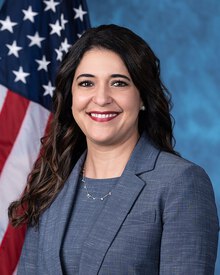
Mrs. Bice introduced the following bill; which was referred to …
Referred to the Committee on Transportation and Infrastructure, and in …
Introduced in House
Stakeholder Effects
cui bono?How this legislation distributes effects. Mention counts reflect frequency, not effect magnitude.
Municipal water utilities, Public wastewater agencies
Advisory Council on Historic Preservation, State historic preservation offices
Bill Structure & Actor Mappings
Who is "The Secretary" in each section?
We use a combination of our own taxonomy and classification in addition to large language models to assess meaning and potential beneficiaries. High confidence means strong textual evidence. Always verify with the original bill text.
Learn more about our methodology