CLEAR Act of 2025
Summary
What This Bill Does
The CLEAR Act is a litigation-limitation bill for energy projects. It defines energy projects broadly to include electric generation, transmission, distribution, storage, fossil-fuel production and transportation, petrochemical feedstocks, and critical-mineral extraction, processing, refining, recycling, or transportation. Section 2 precludes legal action against an authorization when a person could have raised the claim in the original public-comment period, failed to do so, and does not fit a statutory exception. That makes the public-comment stage more important for residents, environmental groups, and other potential challengers. Section 3 narrows court review by requiring deference to the issuing Federal agency and allowing a court to find inadequate procedural compliance only if the agency abused substantial discretion. If a court finds a procedural defect, the remedy is limited to remand with specific instructions and a schedule no longer than 180 days, while the authorization remains in effect during correction. A remanded authorization is not considered a major Federal action under NEPA during the correction period.
Who Benefits and How
Energy project developers, electric utilities, pipeline operators, petroleum and petrochemical companies, and critical-mineral firms benefit because the bill reduces late-filed challenges, lowers permit-cancellation risk, keeps authorizations alive during remand, and creates a faster correction timeline. Federal permitting agencies benefit from deference to their factual determinations and narrower procedural remedies.
Who Bears the Burden and How
Residents near energy projects, environmental advocacy organizations, public interest law firms, and other challengers bear the burden because failing to participate during the original comment period can bar later claims. Federal courts must apply a more deferential review standard and narrower remedies. Communities that discover harms after comment periods may have less leverage to stop or delay authorized projects.
Key Provisions
- Defines covered energy projects to include electric infrastructure, fossil-fuel infrastructure, petrochemical feedstocks, and critical minerals.
- Bars repeat legal claims when a challenger could have raised the issue during the original public-comment period.
- Requires courts to defer to Federal agency factual determinations and apply an abuse-of-substantial-discretion standard.
- Limits remedies for procedural defects to specific remand instructions and a correction deadline of no more than 180 days.
- Keeps energy-project authorizations in effect while agencies correct remanded procedural deficiencies.
Evidence Chain:
This summary is generated from the full bill text using AI analysis. Expand "Detailed Analysis" below for identified beneficiaries/burden bearers with clause-level evidence links.
At a Glance
What This Bill Does
Limits repeat litigation and judicial remedies against energy-project authorizations by narrowing who can challenge permits, requiring early participation in public comment, imposing a substantial-discretion review standard, keeping remanded authorizations in effect, and capping remand correction periods at 180 days.
Key Policy Areas
Energy, Permitting, Courts, Environmental Review
Primary Purpose
Limits repeat litigation and judicial remedies against energy-project authorizations by narrowing who can challenge permits, requiring early participation in public comment, imposing a substantial-discretion review standard, keeping remanded authorizations in effect, and capping remand correction periods at 180 days.
Policy Domains
Substantive provisions
Identified Gains
- Energy project developers
- Electric utilities
- Pipeline operators
- Critical mineral companies
- Federal permitting agencies
Identified Costs
- Residents near energy projects
- Environmental advocacy organizations
- Public interest law firms
- Federal courts
- Public-comment participants
Legislative Progress
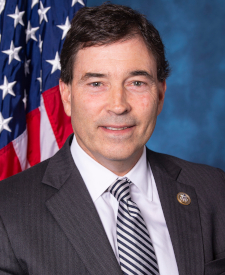
In CommitteeMr. Balderson introduced the following bill; which was referred to …
Referred to the House Committee on the Judiciary.
Introduced in House
Stakeholder Effects
cui bono?How this legislation distributes effects. Mention counts reflect frequency, not effect magnitude.
Federal courts, Federal permitting agencies
Positive-direction: Federal permitting agencies
Negative-direction: Federal courts
Environmental advocacy organizations
Affected communities, Residents near energy projects
Bill Structure & Actor Mappings
Who is "The Secretary" in each section?
We use a combination of our own taxonomy and classification in addition to large language models to assess meaning and potential beneficiaries. High confidence means strong textual evidence. Always verify with the original bill text.
Learn more about our methodology