College Athletics Reform Act
Summary
What This Bill Does
The College Athletics Reform Act focuses on economic rights, agent conduct, governance review, and public reporting in college sports. It bars intercollegiate athletic associations, conferences, and institutions from restricting college athlete name, image, and likeness compensation or professional representation, from punishing athletes for receiving NIL money or representation, and from requiring disclosure of NIL contract terms. NIL deals above $600 become voidable unless written terms identify services, parties, duration, compensation, termination rights, and required athlete or parent signatures. The bill also amends student-visa rules for bona fide current college athletes. For agents, it amends the Sports Agent Responsibility and Trust Act by capping endorsement-contract fees at 4 percent, requiring State registration and athletic-association certification, requiring post-enrollment termination rights, and directing the FTC to study independent athlete-agent certification. A 16-member congressional Commission to Stabilize College Sports would study governance, collective bargaining, media-rights pooling, Power Four effects, women sports, nonrevenue sports, non-Power Four schools, and historically Black colleges and universities, then report recommendations within two years. The bill also expands Higher Education Act athletics disclosures to cover collegiate, club, intramural, and intercollegiate athletics, team-level scholarships, revenue sharing, coach compensation, revenues, expenses, participant counts, and Title IX compliance certifications, with machine-readable public reporting beginning for the 2026-2027 academic year.
Who Benefits and How
College athletes benefit because the bill protects NIL compensation, professional representation, written contract terms, post-enrollment termination rights, and more visibility into athletic-department finances. International student athletes benefit from the student-visa amendment. Women sports, nonrevenue teams, non-Power Four schools, and HBCU athletic programs benefit from a commission study focused on revenue sharing and governance options. Students, journalists, researchers, and athletes benefit from expanded searchable athletics finance disclosures.
Who Bears the Burden and How
NCAA-style athletic associations, conferences, and institutions lose authority to restrict athlete NIL activity and must handle more disclosure and compliance obligations. Athlete agents face a 4 percent endorsement-contract fee cap, State registration, certification, and contract-termination requirements. Colleges must collect and publish more granular athletics financial data. Congressional staff and appointed commission members must operate the Commission to Stabilize College Sports and produce recommendations.
Key Provisions
- Protects college athlete NIL compensation and professional representation from association, conference, and school restrictions.
- Requires written NIL agreements above $600 to include services, parties, term, compensation, termination rights, and signatures.
- Adds student-visa treatment for bona fide current college athletes.
- Caps athlete-agent endorsement fees at 4 percent and requires State registration plus athletic-association certification.
- Establishes a 16-member Commission to Stabilize College Sports with subpoena, hearing, study, and reporting authority.
- Expands Higher Education Act athletics disclosures for scholarships, revenue sharing, coach compensation, revenues, expenses, participants, and Title IX certifications.
Evidence Chain:
This summary is generated from the full bill text using AI analysis. Expand "Detailed Analysis" below for identified beneficiaries/burden bearers with clause-level evidence links.
At a Glance
What This Bill Does
Creates a college-athletics reform package protecting athlete name-image-likeness compensation and representation, regulating athlete agents, establishing a congressional Commission to Stabilize College Sports, and expanding Higher Education Act athletics financial disclosures.
Key Policy Areas
Education, Sports, Consumer Protection, Labor
Primary Purpose
Creates a college-athletics reform package protecting athlete name-image-likeness compensation and representation, regulating athlete agents, establishing a congressional Commission to Stabilize College Sports, and expanding Higher Education Act athletics financial disclosures.
Policy Domains
Substantive provisions
Identified Gains
- College athletes
- International student athletes
- Women athletes
- Nonrevenue sports teams
- Historically Black college athletic programs
- College sports researchers
Identified Costs
- Intercollegiate athletic associations
- Athletic conferences
- Institutions of higher education
- Athlete agents
- College athletics compliance offices
- Congressional commission staff
Sponsors




Legislative Progress
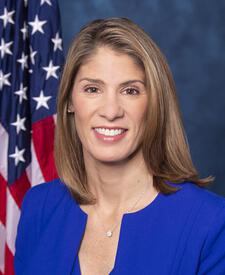
In CommitteeMrs. Trahan (for herself, Ms. McClellan, Mr. Magaziner, Mr. Carter …
Referred to the Committee on Energy and Commerce, and in …
Introduced in House
Stakeholder Effects
cui bono?How this legislation distributes effects. Mention counts reflect frequency, not effect magnitude.
Athletic associations certifying agents, Athletic conferences, College athletes
Positive-direction: College athletes, Historically Black college athletic programs, International student athletes, Nonrevenue sports teams, Student athletes signing endorsement contracts, Students researching athletics spending, Women athletes
Negative-direction: Athletic associations certifying agents, Athletic conferences, Institutions of higher education, Intercollegiate athletic associations
Commission to Stabilize College Sports, Congressional support offices, Department of Education athletics disclosure staff
Athlete agents, NIL sponsors, Sports journalists
Positive-direction: Sports journalists
Negative-direction: Athlete agents
State athlete agent registration offices
Bill Structure & Actor Mappings
Who is "The Secretary" in each section?
We use a combination of our own taxonomy and classification in addition to large language models to assess meaning and potential beneficiaries. High confidence means strong textual evidence. Always verify with the original bill text.
Learn more about our methodology