ROAD to Housing Act of 2025
Summary
What This Bill Does
The ROAD to Housing Act of 2025 is a large housing package. It reforms HUD housing counseling and financial literacy programs, extends and adjusts the Rental Assistance Demonstration program, rewards housing activity in Opportunity Zones, and creates state and local housing-supply frameworks. It authorizes whole-home repair assistance, pro-housing Community Development Block Grant incentives, streamlined environmental review for infill and transit-oriented housing, an innovation fund, faster code work for accessory dwelling units and missing-middle housing, transit grant scoring for pro-housing policy, adaptive reuse of vacant commercial structures, and FHA multifamily loan-limit studies. It updates manufactured and modular housing rules, FHA Title I property-improvement and manufactured-housing-loans, and preservation tools for manufactured housing communities. It directs CFPB and housing agencies to study and adjust small-dollar mortgage rules, appraisal licensing, appraisal reconsideration rights, voucher inspections, escrow savings pilots, HOME reauthorization, rural housing preservation, USDA rural housing reports, Moving to Work cohorts, homelessness program reforms, healthcare-housing demonstrations, VA loan awareness on mortgage forms, FHA-VA disclosure rules, annual testimony from housing regulators, FHA safety-and-soundness reports, USICH oversight, NeighborWorks accountability, HUD-USDA-VA data sharing, HUD-USDA environmental-review coordination, and study of work requirements in HUD-subsidized housing.
Who Benefits and How
Low-income homeowners benefit from whole-home repair assistance that can finance safety, habitability, and rehabilitation work. Affordable housing developers, nonprofit housing organizations, CDFIs, community land trusts, manufactured-housing preservation sponsors, and rural housing owners benefit from new grants, preservation authorities, loan changes, and streamlined reviews. Voucher holders and public housing residents benefit from escrow pilots, inspection flexibility, and program reforms that may improve housing stability. People experiencing or at risk of homelessness benefit from McKinney-Vento reforms, Continuum of Care flexibility, and healthcare-housing demonstration authority. Veterans and active-duty borrowers benefit from clearer VA loan prompts and FHA-VA disclosures. Homebuyers in low-cost markets benefit from small-dollar mortgage work and appraisal reconsideration rights.
Who Bears the Burden and How
HUD, USDA Rural Housing Service, VA, CFPB, FHFA, FHA, and USICH must write rules, issue reports, administer pilots, coordinate data sharing, and oversee new program authorities. Public housing agencies, participating jurisdictions, state housing agencies, Continuum of Care recipients, and rural housing owners must comply with changed application, reporting, inspection, escrow, and preservation conditions. Some local governments with weak housing production can lose grant competitiveness under pro-housing scoring. Appraisers, creditors, and mortgage lenders must implement reconsideration-of-value procedures, disclosure changes, small-dollar mortgage adjustments, and appraisal-licensing reforms. Federal taxpayers bear the cost of expanded grants, pilots, disaster recovery, HOME, rural housing, homelessness, and repair programs.
Key Provisions
- Reforms HUD housing counseling, RAD, Opportunity Zone housing preferences, housing-supply frameworks, whole-home repair grants, pro-housing CDBG incentives, and environmental-review streamlining.
- Authorizes housing innovation, ADU and missing-middle code work, transit-linked pro-housing scoring, commercial-to-residential conversion support, and FHA multifamily loan-limit studies.
- Expands manufactured, modular, FHA Title I, manufactured-community preservation, small-dollar mortgage, appraisal, voucher-inspection, and escrow-savings policies.
- Creates or revises long-term disaster recovery, HOME, USDA rural housing preservation, rural community development, Moving to Work, homelessness, and healthcare-housing authorities.
- Requires VA loan awareness and FHA-VA disclosures for mortgage borrowers with military service.
- Requires annual housing-regulator testimony, FHA safety reports, USICH oversight changes, NeighborWorks accountability, HUD-USDA-VA data sharing, HUD-USDA review coordination, and a study of HUD work requirements.
Evidence Chain:
This summary is generated from the full bill text using AI analysis. Expand "Detailed Analysis" below for identified beneficiaries/burden bearers with clause-level evidence links.
At a Glance
What This Bill Does
Packages dozens of housing-supply, affordability, manufactured-housing, mortgage-access, disaster-recovery, homelessness, veterans mortgage, appraisal, and housing-oversight reforms, using HUD, USDA, VA, CFPB, FHFA, FEMA-related CDBG-DR, HOME, RAD, Moving to Work, and McKinney-Vento authorities to expand housing production and reshape program administration.
Key Policy Areas
Housing, Disaster Recovery, Financial Services, Veterans, Homelessness
Primary Purpose
Packages dozens of housing-supply, affordability, manufactured-housing, mortgage-access, disaster-recovery, homelessness, veterans mortgage, appraisal, and housing-oversight reforms, using HUD, USDA, VA, CFPB, FHFA, FEMA-related CDBG-DR, HOME, RAD, Moving to Work, and McKinney-Vento authorities to expand housing production and reshape program administration.
Policy Domains
Substantive provisions
Identified Gains
- Low-income homeowners
- Affordable housing developers
- Community development financial institutions
- Public housing residents
- Voucher holders
- People experiencing homelessness
- Veterans applying for mortgages
- Rural housing tenants
Identified Costs
- HUD program staff
- USDA Rural Housing Service staff
- Consumer Financial Protection Bureau staff
- Federal Housing Finance Agency staff
- Public housing agencies
- Mortgage lenders
- Real estate appraisers
- Federal taxpayers
Sponsors
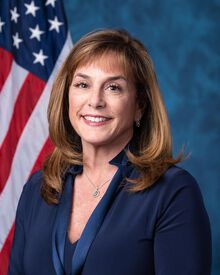
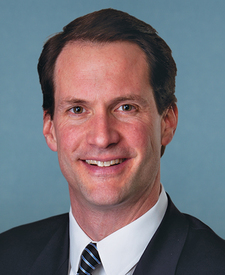
Legislative Progress
In CommitteeReferred to the Subcommittee on Commodity Markets, Digital Assets, and …
Referred to the Committee on Financial Services, and in addition …
Introduced in House
Mrs. McClain (for herself and Mr. Himes) introduced the following …
Stakeholder Effects
cui bono?How this legislation distributes effects. Mention counts reflect frequency, not effect magnitude.
First-time homebuyers and at-risk homeowners, Homebuyers and homeowners seeking fair appraisals, Homebuyers seeking mortgages under $100,000
Accessory dwelling unit and missing middle housing developers, Affordable housing developers on previously developed land, Affordable housing developers receiving HUD assistance
Positive-direction: Accessory dwelling unit and missing middle housing developers, Affordable housing developers on previously developed land, Affordable housing developers receiving HUD assistance, Affordable housing developers using HOME funds, Appraisal management companies (AMCs), Commercial property owners with vacant buildings, Developers converting commercial-to-residential, Federal employee real estate appraisers, HUD-funded housing project developers, Housing developers and organizations in Qualified Opportunity Zones, Infill and transit-oriented housing developers, LIHTC property owners accepting voucher holders, Landlords participating in multiple housing programs, Private developers managing RAD conversions, Real estate developers near transit stations
Negative-direction: Real estate appraisers
CFPB (new study and rulemaking mandate), Congressional oversight committees, FHA (expanded reporting burden)
Positive-direction: Congressional oversight committees, Federally recognized Indian tribes, HUD (environmental review administration)
Negative-direction: CFPB (new study and rulemaking mandate), FHA (expanded reporting burden), FHA and HUD (study mandate), FHFA (new rulemaking mandate), HUD (study mandate), HUD Office of Disaster Recovery, HUD Office of Housing Counseling, HUD Office of Special Needs Assistance, HUD Secretary, HUD, USDA, and VA housing programs, U.S. Interagency Council on Homelessness, USDA Rural Housing Service
Communities with high rates of homelessness, HOME program participating jurisdictions, Local government environmental review offices
Positive-direction: Communities with high rates of homelessness, Local government environmental review offices, Local governments pursuing housing innovation, Local governments with strong housing growth, Metropolitan cities and urban counties with high housing growth
Negative-direction: Local governments resisting zoning reform, Local governments with below-median housing growth, Metropolitan cities and urban counties with below-median growth, States with restrictive manufactured housing definitions
Community Housing Development Organizations (CHDOs), Community land trusts, Community-based housing organizations
Positive-direction: Community Housing Development Organizations (CHDOs), Community land trusts, Community-based housing organizations, HOME program participating jurisdictions and CHDOs, Nonprofit rural housing preservation organizations
Negative-direction: NeighborWorks America
HUD-approved housing counseling agencies, Manufactured housing producers, Modular home builders and manufacturers
Positive-direction: Manufactured housing producers, Modular home builders and manufacturers, Owners of maturing USDA rural housing loans, Rural housing developers subject to dual environmental review
Negative-direction: HUD-approved housing counseling agencies
Community banks and credit unions originating small mortgages, FHA Title I lenders, FHA lenders (updated disclosure requirements)
Positive-direction: Community banks and credit unions originating small mortgages, FHA Title I lenders, Mortgage lenders originating small dollar loans
Negative-direction: FHA lenders (updated disclosure requirements), Fannie Mae and Freddie Mac (GSEs), Mortgage lenders and servicers
Accessory dwelling unit builders, Home repair and rehabilitation contractors, Homebuilders and real estate developers
Bill Structure & Actor Mappings
Who is "The Secretary" in each section?
We use a combination of our own taxonomy and classification in addition to large language models to assess meaning and potential beneficiaries. High confidence means strong textual evidence. Always verify with the original bill text.
Learn more about our methodology