TAKE IT DOWN Act
Analysis under review: This bill has generated analysis that may be too generic or incomplete. Clause-level evidence remains available below.
Summary
What This Bill Does
The bill requires federal criminal prohibition on knowingly publishing nonconsensual intimate visual depictions (including AI-generated digital forgeries) via interactive computer services, with separate offenses for adults, requires mandatory notice-and-takedown regime requiring covered platforms to establish a removal process for nonconsensual intimate visual depictions, respond within 48 hours, remove identical copies, enforced by FTC, and defines statutory definitions establishing scope of covered platform obligations, including user-generated content platforms while excluding broadband ISPs, email services, and primarily curated content services. It relies on compliance mandates, definition changes, liability protections, and reporting requirements. The main policy areas are Technology, Criminal Justice, and Education.
Who Benefits and How
Victims requesting content removal could face fewer barriers, Email service providers would be affected, and Broadband internet service providers would be affected.
Who Bears the Burden and How
Social media platforms and user-generated content websites would take on compliance duties, User-generated content platforms (social media, messaging, video/image hosting) would take on compliance duties, and Non-profit organizations hosting user content would take on compliance duties.
Key Provisions
- Requires federal criminal prohibition on knowingly publishing nonconsensual intimate visual depictions (including AI-generated digital forgeries) via interactive computer services, with separate offenses for adults...
- Requires mandatory notice-and-takedown regime requiring covered platforms to establish a removal process for nonconsensual intimate visual depictions, respond within 48 hours, remove identical copies, enforced by FTC...
- Defines statutory definitions establishing scope of covered platform obligations, including user-generated content platforms while excluding broadband ISPs, email services, and primarily curated content services.
- Requires federal criminal prohibition on knowingly publishing nonconsensual intimate visual depictions and AI-generated digital forgeries via interactive computer services, with penalties including imprisonment (up to 2...
Evidence Chain:
This summary is generated from the full bill text using AI analysis. Expand "Detailed Analysis" below for identified beneficiaries/burden bearers with clause-level evidence links.
At a Glance
What This Bill Does
The bill requires federal criminal prohibition on knowingly publishing nonconsensual intimate visual depictions (including AI-generated digital forgeries) via interactive computer services, with separate offenses for adults, requires mandatory notice-and-takedown regime requiring covered platforms to establish a removal process for nonconsensual intimate visual depictions, respond within 48 hours, remove identical copies, enforced by FTC, and defines statutory definitions establishing scope of covered platform obligations, including user-generated content platforms while excluding broadband ISPs, email services, and primarily curated content services.
Key Policy Areas
Technology, Criminal Justice, Education
Primary Purpose
The bill requires federal criminal prohibition on knowingly publishing nonconsensual intimate visual depictions (including AI-generated digital forgeries) via interactive computer services, with separate offenses for adults, requires mandatory notice-and-takedown regime requiring covered platforms to establish a removal process for nonconsensual intimate visual depictions, respond within 48 hours, remove identical copies, enforced by FTC, and defines statutory definitions establishing scope of covered platform obligations, including user-generated content platforms while excluding broadband ISPs, email services, and primarily curated content services.
Policy Domains
Whole bill
Identified Gains
- Victims requesting content removal
- Email service providers
- Broadband internet service providers
- Curated content platforms (streaming services, news sites)
- Covered platforms acting in good faith
Identified Costs
- Social media platforms and user-generated content websites
- User-generated content platforms (social media, messaging, video/image hosting)
- Non-profit organizations hosting user content
- Individuals who publish nonconsensual intimate images or deepfakes
- Individuals who publish nonconsensual intimate images online
Sponsors
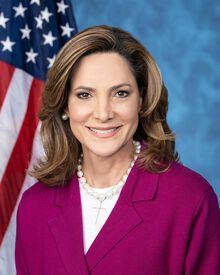

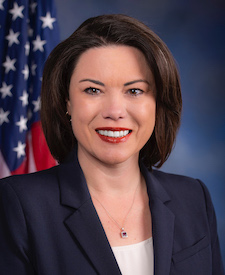
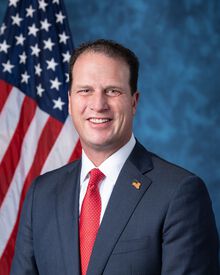

Legislative Progress
ReportedAdditional sponsors: Ms. De La Cruz, Mr. Costa, Mr. Smith …
Committed to the Committee of the Whole House on the …
Placed on the Union Calendar, Calendar No. 59.
Reported by the Committee on Energy and Commerce. H. Rept. …
Ordered to be Reported by the Yeas and Nays: 49 …
Committee Consideration and Mark-up Session Held
Ms. Salazar (for herself, Ms. Dean of Pennsylvania, Mr. Pfluger, …
Referred to the House Committee on Energy and Commerce.
Introduced in House
Stakeholder Effects
cui bono?How this legislation distributes effects. Mention counts reflect frequency, not effect magnitude.
AI deepfake creators and distributors, AI-generated deepfake creators and distributors, Broadband internet service providers
Positive-direction: Broadband internet service providers, Covered platforms acting in good faith
Negative-direction: AI deepfake creators and distributors, AI-generated deepfake creators and distributors, Platforms specializing in hosting nonconsensual intimate visual depictions, Social media platforms and user-generated content websites, User-generated content platforms (social media, messaging, video/image hosting)
Minors depicted in intimate visual depictions, Victims of nonconsensual intimate image abuse, Victims of nonconsensual intimate image abuse (adults)
Law enforcement agencies, Law enforcement agencies (federal, state, local)
Content moderation and trust-and-safety service providers
Curated content platforms (streaming services, news sites)
Individuals who publish nonconsensual intimate images or deepfakes
Bill Structure & Actor Mappings
Who is "The Secretary" in each section?
We use a combination of our own taxonomy and classification in addition to large language models to assess meaning and potential beneficiaries. High confidence means strong textual evidence. Always verify with the original bill text.
Learn more about our methodology