Benay Taub Lung Cancer Research Act
Summary
What This Bill Does
The Benay Taub Lung Cancer Research Act requires HHS to establish a Lung Cancer Task Force inside NIH. HHS appoints members and must include at least one National Cancer Institute representative and at least one representative of CDC’s National Comprehensive Cancer Control Program. The task force examines disparities in lung cancer research, funding, and patient access to treatments compared with other diseases, taking into account the number of people affected by lung cancer. It also reviews Federal research funding relative to disease burden and lung cancer screening in the United States. Within 180 days, HHS must transmit a report to Congress with findings and recommendations, including recommendations for increasing Federal lung cancer research funding.
Who Benefits and How
Lung cancer patients, screening programs, researchers, and advocacy groups benefit from a dedicated Federal review of funding, treatment access, and screening gaps. Congress benefits from recommendations on whether and how to increase Federal lung cancer research funding. NIH and NCI gain a task-force structure for comparing disease burden and research support.
Who Bears the Burden and How
HHS, NIH, NCI, and CDC must staff the task force, examine disparities and screening, and deliver a report within 180 days. Federal research budget planners may face pressure to increase lung cancer funding. Agencies must compare lung cancer support against other diseases and disease burden.
Key Provisions
- Establishes a Lung Cancer Task Force within NIH.
- Requires membership from the National Cancer Institute and CDC’s National Comprehensive Cancer Control Program.
- Requires examination of lung cancer research, funding, treatment access, disease burden, and screening.
- Requires a report to Congress within 180 days with findings and recommendations for increasing Federal research funding.
Evidence Chain:
This summary is generated from the full bill text using AI analysis. Expand "Detailed Analysis" below for identified beneficiaries/burden bearers with clause-level evidence links.
At a Glance
What This Bill Does
Creates an NIH Lung Cancer Task Force to examine lung cancer research disparities, Federal funding levels, patient access to treatment, screening, and funding recommendations within 180 days.
Key Policy Areas
Healthcare, Cancer Research, Public Health
Primary Purpose
Creates an NIH Lung Cancer Task Force to examine lung cancer research disparities, Federal funding levels, patient access to treatment, screening, and funding recommendations within 180 days.
Policy Domains
Substantive provisions
Identified Gains
- Lung cancer patients
- Lung cancer researchers
- Lung cancer screening programs
- Congressional health committees
Identified Costs
- Department of Health and Human Services
- National Institutes of Health
- National Cancer Institute
- Centers for Disease Control and Prevention
Sponsors
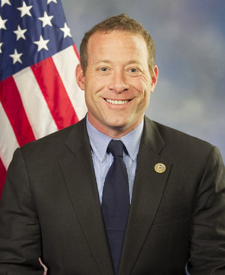

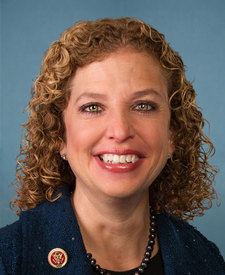
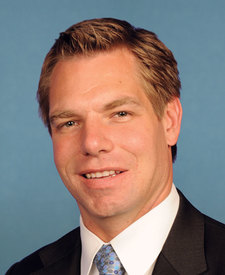

Legislative Progress
In CommitteeMr. Gottheimer (for himself and Mr. Lawler) introduced the following …
Referred to the House Committee on Energy and Commerce.
Introduced in House
Stakeholder Effects
cui bono?How this legislation distributes effects. Mention counts reflect frequency, not effect magnitude.
Centers for Disease Control and Prevention, National Cancer Institute, National Institutes of Health
Bill Structure & Actor Mappings
Who is "The Secretary" in each section?
We use a combination of our own taxonomy and classification in addition to large language models to assess meaning and potential beneficiaries. High confidence means strong textual evidence. Always verify with the original bill text.
Learn more about our methodology