To expand the authorization of voluntary Federal grazing permit retirement, provide increased flexibility for Federal grazing permittees, promote the equitable resolution or avoidance of conflicts on Federal lands managed by the Department of Agriculture or the Department of the Interior, and for other purposes.
Analysis under review: This bill has generated analysis that may be too generic or incomplete. Clause-level evidence remains available below.
Summary
What This Bill Does
This bill, To expand the authorization of voluntary Federal grazing permit retirement, provide increased flexibility for Federal grazing permittees, promote the equitable resolution or avoidance of conflicts on Federal lands managed by the Department of Agriculture or the Department of the Interior, and for other purposes., changes federal law or congressional policy affecting federal agencies and legislative administrators. The main policy domain is Government Operations, Environment, Agriculture.
Who Benefits and How
federal agencies and legislative administrators may benefit from new authority, funding, eligibility, regulatory clarity, or reduced risk created by the bill.
Who Bears the Burden and How
federal implementing agencies may take on implementation duties, reporting obligations, compliance costs, or oversight responsibilities.
Key Provisions
- Section H9F7F1240075C4577B984FD551912BC82: 1. Short title; table of contents This Act may be cited as the Voluntary Grazing Permit Retirement Act. The table of contents for this Act is as follows:
- Section H03333AE9E6684897A0E526703016A992: 2. Findings Congress finds the following: Voluntary grazing permit retirement is a successful land management tool that has been authorized by Congress for...
- Section H81D7790708624F7B8E3FC149CFD0F03A: 3. Definitions In this Act: The term administratively retired grazing allotment means a grazing allotment, or portion of a grazing allotment, on Federal lands...
- Section HDD6472DA6F1C4AC39D1E4C1730B626F4: 4. Voluntary grazing permit retirement program Subject to the limitation set forth in subsection (c)(1), the Secretary shall accept, on a first-come,...
- Section HC695EC2CE2044B68AE8414B3B0F8336A: 5. Effect of waiver of grazing permit A permittee or lessee who waives a grazing permit or lease to the Secretary under section 4 shall be deemed to have...
Evidence Chain:
This summary is generated from the full bill text using AI analysis. Expand "Detailed Analysis" below for identified beneficiaries/burden bearers with clause-level evidence links.
At a Glance
What This Bill Does
This bill, To expand the authorization of voluntary Federal grazing permit retirement, provide increased flexibility for Federal grazing permittees, promote the equitable resolution or avoidance of conflicts on Federal lands managed by the Department of Agriculture or the Department of the Interior, and for other purposes., changes federal law or congressional policy affecting federal agencies and legislative administrators.
Key Policy Areas
Government Operations, Environment, Agriculture
Primary Purpose
This bill, To expand the authorization of voluntary Federal grazing permit retirement, provide increased flexibility for Federal grazing permittees, promote the equitable resolution or avoidance of conflicts on Federal lands managed by the Department of Agriculture or the Department of the Interior, and for other purposes., changes federal law or congressional policy affecting federal agencies and legislative administrators.
Policy Domains
Whole bill
Identified Gains
- federal agencies and legislative administrators
Identified Costs
- federal implementing agencies
Sponsors
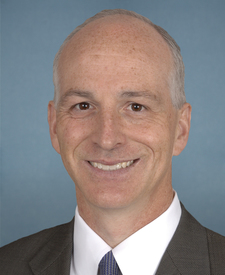
Adam Smith
D-WA | Primary Sponsor
Legislative Progress
IntroducedMr. Smith of Washington (for himself and Mr. Huffman) introduced …
Impact analysis is available but no clear stakeholder effects identified. View clause-level analysis →
Bill Structure & Actor Mappings
Who is "The Secretary" in each section?
- "secretary_of_agriculture"
- → Secretary of Agriculture
We use a combination of our own taxonomy and classification in addition to large language models to assess meaning and potential beneficiaries. High confidence means strong textual evidence. Always verify with the original bill text.
Learn more about our methodology