To impose sanctions with respect to designated critical cyber threat actors, and for other purposes.
Analysis under review: This bill has generated analysis that may be too generic or incomplete. Clause-level evidence remains available below.
Summary
What This Bill Does
Creates a federal framework to designate major foreign cyber threat actors and impose sanctions and other restrictions on persons and state entities tied to serious state-sponsored cyber activity.
Who Benefits and How
U.S. critical infrastructure operators, election systems, and other potential victims gain a stronger federal deterrence and response toolkit against state-backed cyberattacks.
Who Bears the Burden and How
Designated foreign actors, firms dealing with them, and federal agencies coordinating attribution and sanctions face new restrictions and administrative work.
Key Provisions
- Requires a National Attribution Framework for determining responsibility for significant state-sponsored cyber activity.
- Directs designation of critical cyber threat actors and requires reports to Congress after designation.
- Authorizes sanctions including aid limits, procurement bans, financing limits, and securities restrictions.
Evidence Chain:
This summary is generated from the full bill text using AI analysis. Expand "Detailed Analysis" below for identified beneficiaries/burden bearers.
At a Glance
What This Bill Does
Creates a federal framework to designate major foreign cyber threat actors and impose sanctions and other restrictions on persons and state entities tied to serious state-sponsored cyber activity.
Key Policy Areas
National Security, Technology, Foreign Policy
Primary Purpose
Creates a federal framework to designate major foreign cyber threat actors and impose sanctions and other restrictions on persons and state entities tied to serious state-sponsored cyber activity.
Policy Domains
Main Provisions
Identified Gains
Contextual inference, no direct clause citation- U.S. critical infrastructure operators and other cyberattack targets
- Federal policymakers seeking a consistent attribution regime
Contextual inference, no direct clause citation
Identified Costs
Contextual inference, no direct clause citation- Designated foreign cyber actors and supporting entities
- Federal agencies administering attribution and sanctions
Contextual inference, no direct clause citation
Legislative Progress
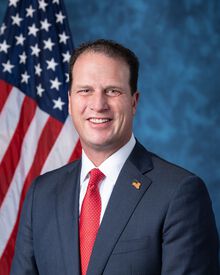
IntroducedMr. Pfluger introduced the following bill; which was referred to …
Stakeholder Effects
cui bono?How this legislation distributes effects. Mention counts reflect frequency, not effect magnitude.
Designated foreign cyber threat actors and supporting entities
Federal agencies administering attribution and sanctions
Bill Structure & Actor Mappings
Who is "The Secretary" in each section?
We use a combination of our own taxonomy and classification in addition to large language models to assess meaning and potential beneficiaries. High confidence means strong textual evidence. Always verify with the original bill text.
Learn more about our methodology