AI for America Act
Summary
What This Bill Does
Directs the federal government to produce a recurring national AI action plan, identify regulatory barriers to AI adoption in key sectors, and study measures to detect security risks and ideological bias in AI systems.
Who Benefits and How
AI adopters in sectors such as healthcare, research, and transportation could benefit from identified regulatory streamlining and coordinated national strategy.
Who Bears the Burden and How
OSTP, NIST, and other agencies must produce plans and reports, while AI developers face added attention to security-risk and bias mitigation practices.
Key Provisions
- Requires OSTP to submit and biennially update a national AI action plan.
- Directs OSTP to identify regulatory barriers to AI adoption in specified sectors.
- Directs NIST to report on measures to detect and prevent AI security risks and ideological bias.
Evidence Chain:
This summary is generated from the full bill text using AI analysis. Expand "Detailed Analysis" below for identified beneficiaries/burden bearers.
At a Glance
What This Bill Does
Directs the federal government to produce a recurring national AI action plan, identify regulatory barriers to AI adoption in key sectors, and study measures to detect security risks and ideological bias in AI systems.
Key Policy Areas
Technology, Science & Space, Government Operations
Primary Purpose
Directs the federal government to produce a recurring national AI action plan, identify regulatory barriers to AI adoption in key sectors, and study measures to detect security risks and ideological bias in AI systems.
Policy Domains
Main Provisions
Identified Gains
Contextual inference, no direct clause citation- AI adopters in healthcare, science, and transportation
- Federal policymakers coordinating AI strategy
Contextual inference, no direct clause citation
Identified Costs
Contextual inference, no direct clause citation- Federal agencies tasked with planning and reporting
- AI developers subject to added scrutiny of risk and bias controls
Contextual inference, no direct clause citation
Sponsors


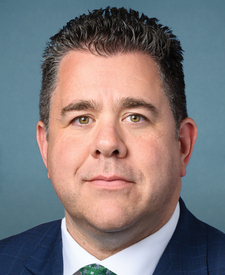
Legislative Progress
In CommitteeMrs. Kiggans of Virginia introduced the following bill; which was …
Referred to the Committee on Science, Space, and Technology, and …
Introduced in House
Stakeholder Effects
cui bono?How this legislation distributes effects. Mention counts reflect frequency, not effect magnitude.
AI developers subject to security-risk and bias scrutiny, Organizations seeking to adopt AI in covered sectors
Positive-direction: Organizations seeking to adopt AI in covered sectors
Negative-direction: AI developers subject to security-risk and bias scrutiny
Federal science and technology agencies preparing the plan and reports
Bill Structure & Actor Mappings
Who is "The Secretary" in each section?
We use a combination of our own taxonomy and classification in addition to large language models to assess meaning and potential beneficiaries. High confidence means strong textual evidence. Always verify with the original bill text.
Learn more about our methodology