Childhood Diabetes Reduction Act of 2025
Summary
What This Bill Does
The Childhood Diabetes Reduction Act adds new Food, Drug, and Cosmetic Act labeling rules for sugar-sweetened beverages, foods with non-sugar sweeteners, ultra-processed foods, and foods high in nutrients of concern such as added sugar, saturated fat, or sodium. Required warnings must appear prominently on the principal display panel, generally using at least 5 percent of the front label, with warning boxes or octagon “High in” labels, and online retailers must follow implementing regulations. The bill restricts child-directed marketing or advertising of foods that require warning labels, directs HHS to contract with the National Academies for recommendations on defining ultra-processed food, authorizes $5 million per year from fiscal years 2026 through 2030 for HHS labeling regulations and enforcement, authorizes $60 million per year for NIH nutrition-science research and recurring meetings, authorizes $10 million per year for a CDC nutrition and physical-activity campaign, defines child-directed advertising and junk food, and makes it unlawful to market junk food to children or omit required warning labels from ads, with FTC enforcement including common carriers.
Who Benefits and How
Children, parents, and consumers benefit from front-of-package warnings, public education, and restrictions on child-directed junk-food advertising. Nutrition researchers, NIH-funded institutions, and public-health organizations benefit from new research and meeting support. The CDC and public-health partners benefit from funding for education on labels, obesity, inactivity, poor nutrition, physical activity, and healthier choices.
Who Bears the Burden and How
Food and beverage manufacturers must redesign labels for covered products, assess sugar, non-sugar sweetener, ultra-processed, and nutrient-of-concern status, and avoid child-directed advertising for junk food. Online food retailers must implement warning-label rules online. FDA, NIH, CDC, HHS, and FTC must issue regulations, enforce labeling and advertising restrictions, run research meetings, manage public campaigns, and report findings. Advertising agencies and influencers lose child-directed marketing opportunities for covered junk foods.
Key Provisions
- Requires prominent FDA warning labels for sugar-sweetened beverages, non-sugar sweetener foods, ultra-processed foods, and foods high in nutrients of concern.
- Requires online-retailer regulations for covered food warning labels.
- Prohibits child-directed marketing or advertising of foods that require warning labels.
- Requires HHS to seek National Academies recommendations on defining ultra-processed food.
- Authorizes $60 million per year for NIH nutrition research and $10 million per year for a CDC nutrition and physical-activity campaign from fiscal years 2026 through 2030.
- Requires FTC enforcement of junk-food advertising restrictions, including for common carriers.
Evidence Chain:
This summary is generated from the full bill text using AI analysis. Expand "Detailed Analysis" below for identified beneficiaries/burden bearers with clause-level evidence links.
At a Glance
What This Bill Does
Requires front-of-package warnings and advertising restrictions for sugary, sweetened, ultra-processed, and high-nutrient-concern foods; funds nutrition research; creates a CDC education campaign; and restricts child-directed junk-food advertising.
Key Policy Areas
Food & Beverage, Healthcare, Children
Primary Purpose
Requires front-of-package warnings and advertising restrictions for sugary, sweetened, ultra-processed, and high-nutrient-concern foods; funds nutrition research; creates a CDC education campaign; and restricts child-directed junk-food advertising.
Policy Domains
Substantive provisions
Identified Gains
- Children exposed to food marketing
- Parents buying packaged foods
- Consumers reading front-of-package warnings
- Nutrition researchers
- Public health organizations
Identified Costs
- Food and beverage manufacturers
- Online food retailers
- Advertising agencies targeting children
- Food and Drug Administration
- National Institutes of Health
- Centers for Disease Control and Prevention
- Federal Trade Commission
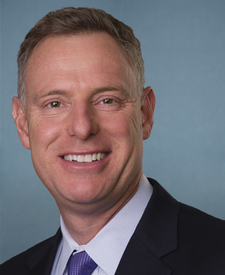
Sponsors


Legislative Progress
In CommitteeMr. Beyer (for himself, Mr. Peters, and Mr. Lawler) introduced …
Referred to the House Committee on Energy and Commerce.
Introduced in House
Stakeholder Effects
cui bono?How this legislation distributes effects. Mention counts reflect frequency, not effect magnitude.
Centers for Disease Control and Prevention, Federal Trade Commission, Food and Drug Administration
Children exposed to food marketing, Consumers reading front-of-package warnings, Parents buying packaged foods
Food and beverage manufacturers, Ultra-processed food manufacturers
Advertising agencies targeting children
Bill Structure & Actor Mappings
Who is "The Secretary" in each section?
We use a combination of our own taxonomy and classification in addition to large language models to assess meaning and potential beneficiaries. High confidence means strong textual evidence. Always verify with the original bill text.
Learn more about our methodology