Safe Social Media Act
Sponsors
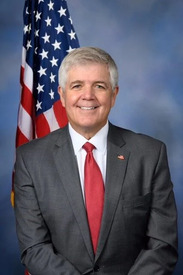

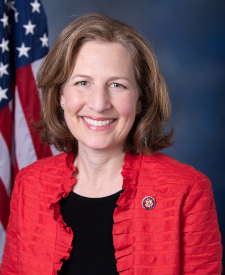
Legislative Progress
IntroducedMr. Bentz (for himself and Ms. Schrier) introduced the following …
Summary
What This Bill Does
The Safe Social Media Act requires the Federal Trade Commission (FTC), working with the Department of Health and Human Services, to conduct a comprehensive study on how teenagers under 17 use social media platforms. The goal is to better understand the effects of social media on young people's mental health and privacy, and to identify potential policy changes that could address any harms discovered.
Who Benefits and How
Teenagers and their parents are the primary intended beneficiaries. If the study reveals harmful practices, it could lead to future legislation protecting minors from predatory data collection, manipulative algorithms, or excessive targeted advertising. The study provides a factual foundation for evidence-based policymaking on children's online safety.
Policymakers and Congress benefit by receiving a detailed, authoritative report within three years that will inform future legislative decisions regarding social media regulation.
Who Bears the Burden and How
The Federal Trade Commission must conduct and fund the study, coordinating with HHS and submitting findings to Congress. This creates new workload and resource demands on the agency.
Social media companies may face increased scrutiny and data requests as the FTC investigates their practices regarding teenage users. While not directly regulated by this bill, the study's findings could lead to future regulations affecting how platforms handle minor users' data and content.
Key Provisions
- Mandates FTC study on social media platform use among individuals under age 17
- Requires examination of: personal data collection, algorithm usage, targeted advertising, daily usage patterns, age-related differences, and mental health effects
- Study must also assess potential harmful effects AND benefits of extended social media use
- FTC must submit report to Congress within 3 years with policy recommendations
- Exempts the study from the Paperwork Reduction Act, streamlining the research process
- Defines "social media platform" as public-facing websites or apps that serve as forums for user-generated content (excluding email and broadband providers)
Evidence Chain:
This summary is derived from the structured analysis below. See "Detailed Analysis" for per-title beneficiaries/burden bearers with clause-level evidence links.
Primary Purpose
The bill mandates the Federal Trade Commission (FTC) to conduct a study on social media usage among teenagers, examining personal information collection, algorithm behavior, targeted advertising practices, daily usage frequency, age-related differences in platform use, and potential mental health impacts. The findings will be reported to Congress within three years.
Policy Domains
Bill Structure & Actor Mappings
Who is "The Secretary" in each section?
- "the_secretary"
- → Secretary of Health and Human Services (acting through the Assistant Secretary for Mental Health and Substance Use)
- "the_administrator"
- → None
Key Definitions
Terms defined in this bill
A public-facing website, internet application or mobile app that primarily serves as a forum for user-generated content such as messages, videos, images, games and audio files. Excludes providers of broadband internet access service (as described in section 8.1(b) of title 47, Code of Federal Regulations), electronic mail.
We use a combination of our own taxonomy and classification in addition to large language models to assess meaning and potential beneficiaries. High confidence means strong textual evidence. Always verify with the original bill text.
Learn more about our methodology