Ending Chemical Abortions Act of 2025
Analysis under review: This bill has generated analysis that may be too generic or incomplete. Clause-level evidence remains available below.
Summary
What This Bill Does
This bill, To amend title 18, United States Code, to prohibit chemical abortions, and for other purposes., changes federal law or congressional policy affecting law enforcement, courts, victims, and regulated public-safety actors. The main policy domain is Criminal Justice, Healthcare, Agriculture.
Who Benefits and How
law enforcement, courts, victims, and regulated public-safety actors may benefit from new authority, funding, eligibility, regulatory clarity, or reduced risk created by the bill.
Who Bears the Burden and How
federal implementing agencies, law enforcement, courts, victims, and regulated public-safety actors may take on implementation duties, reporting obligations, compliance costs, or oversight responsibilities.
Key Provisions
- Section HAB1FC72916F742C9BBF8DF5B47895CF8: 1. Short title This Act may be cited as the Ending Chemical Abortions Act of 2025.
- Section H58EB2F6A0319493C8E59AD187DBF7FBC: 2. Findings Congress finds the following: In 2000, the Food and Drug Administration approved chemical abortion drugs for use in the United States. The agency...
- Section H4542AFF1FA4E480191563BDA4C2A5178: 3. Renaming chapter 74 of title 18, United States Code The table of chapters for part I of title 18, United States Code, is amended by striking the item...
- Section H8B2E71BCC965481796E862A83A68BE47: 4. Chemical abortions prohibited Chapter 74 of title 18, United States Code, is amended by inserting after section 1531 the following: Notwithstanding any...
- Section H1650803338924746B71F02BD2E48E083: 1532. Chemical abortions Notwithstanding any other provision of law, whoever prescribes, dispenses, distributes, or sells, any drug, medication, or chemical...
Evidence Chain:
This summary is generated from the full bill text using AI analysis. Expand "Detailed Analysis" below for identified beneficiaries/burden bearers with clause-level evidence links.
At a Glance
What This Bill Does
This bill, To amend title 18, United States Code, to prohibit chemical abortions, and for other purposes., changes federal law or congressional policy affecting law enforcement, courts, victims, and regulated public-safety actors.
Key Policy Areas
Criminal Justice, Healthcare, Agriculture
Primary Purpose
This bill, To amend title 18, United States Code, to prohibit chemical abortions, and for other purposes., changes federal law or congressional policy affecting law enforcement, courts, victims, and regulated public-safety actors.
Policy Domains
Whole bill
Identified Gains
- law enforcement, courts, victims, and regulated public-safety actors
Identified Costs
- federal implementing agencies
- law enforcement, courts, victims, and regulated public-safety actors
Sponsors



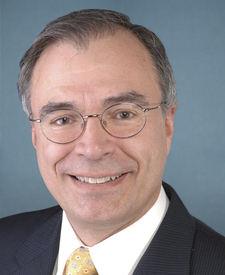
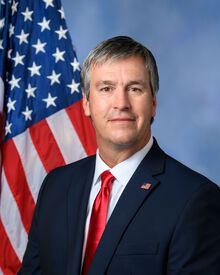
Legislative Progress
In CommitteeMr. Ogles (for himself, Mrs. Miller of Illinois, Mr. Kelly …
Referred to the House Committee on the Judiciary.
Introduced in House
Impact analysis is available but no clear stakeholder effects identified. View clause-level analysis →
Bill Structure & Actor Mappings
Who is "The Secretary" in each section?
- "federal_implementing_agencies"
- → Federal agencies assigned duties by the bill
Key Definitions
Terms defined in this bill
intentionally terminating the pregnancy of a woman known to be pregnant, with an intention other than— to produce a live birth
intentionally terminating the pregnancy of a woman known to be pregnant, with an intention other than—(A)to produce a live birth
We use a combination of our own taxonomy and classification in addition to large language models to assess meaning and potential beneficiaries. High confidence means strong textual evidence. Always verify with the original bill text.
Learn more about our methodology