REAP Modernization Act of 2025
Summary
What This Bill Does
The REAP Modernization Act amends the Rural Energy for America Program to require USDA to promote greenhouse-gas reductions through funded projects. It adds producer cooperatives and nongovernmental organizations to eligible participants, adds greenhouse-gas reduction and climate benefits to program criteria, raises the grant share for renewable energy systems from 25 percent to 50 percent, and requires a streamlined application process for grants, financial assistance, and bundled projects. The bill expands outreach into outreach, technical assistance, and education, including help for applicants and education on integrating renewable energy projects with crop or livestock production. It raises a small-grant threshold from $20,000 to $50,000, requires USDA to study dual-use energy systems such as agrivoltaics and report within two years on whether REAP should support projects that generate more energy without significantly affecting farm operations or converting farmland, and removes certain energy-use requirements for projects serving residences that share meters with farms or rural small businesses.
Who Benefits and How
Agricultural producers, rural small businesses, producer cooperatives, and nongovernmental organizations benefit from broader eligibility, higher grant shares, streamlined applications, and technical assistance. Farmers considering dual-use energy systems benefit from study and education on combining renewable energy with crop or livestock production. Climate and rural-energy advocates benefit from REAP criteria that value greenhouse-gas reductions.
Who Bears the Burden and How
USDA must revise REAP criteria, applications, outreach, technical assistance, grant-share rules, small-grant thresholds, and dual-use energy study requirements. Federal taxpayers may bear higher grant costs because the renewable energy system grant share rises to 50 percent. Applicants may need to document greenhouse-gas reductions and climate benefits.
Key Provisions
- Requires REAP to promote greenhouse-gas reductions from funded projects.
- Expands eligible participants to producer cooperatives and nongovernmental organizations.
- Raises renewable energy system grant support from 25 percent to 50 percent.
- Requires streamlined applications for grants, financial assistance, and bundled projects.
- Expands outreach to include technical assistance and education on renewable energy integration with crops or livestock.
- Requires a dual-use energy systems study and report within two years.
Evidence Chain:
This summary is generated from the full bill text using AI analysis. Expand "Detailed Analysis" below for identified beneficiaries/burden bearers with clause-level evidence links.
At a Glance
What This Bill Does
Modernizes REAP by adding climate-related criteria, expanding eligible participants, increasing grant shares and loan limits, streamlining applications, adding technical assistance, and studying dual-use farm energy systems.
Key Policy Areas
Agriculture, Energy, Climate
Primary Purpose
Modernizes REAP by adding climate-related criteria, expanding eligible participants, increasing grant shares and loan limits, streamlining applications, adding technical assistance, and studying dual-use farm energy systems.
Policy Domains
Substantive provisions
Identified Gains
- Agricultural producers
- Rural small businesses
- Producer cooperatives
- Nongovernmental organizations applying to REAP
- Farmers considering dual-use energy systems
Identified Costs
- Department of Agriculture
- Federal taxpayers
- REAP applicants documenting climate benefits
Sponsors


Legislative Progress
In CommitteeReferred to the Subcommittee on Commodity Markets, Digital Assets, and …
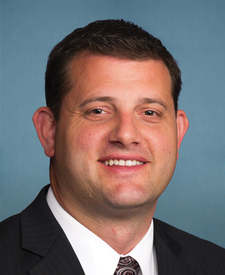
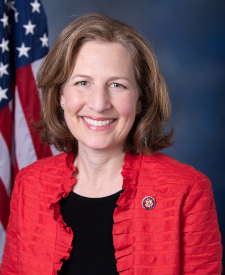
Mr. Vindman (for himself and Mr. Valadao) introduced the following …
Referred to the House Committee on Agriculture.
Introduced in House
Stakeholder Effects
cui bono?How this legislation distributes effects. Mention counts reflect frequency, not effect magnitude.
Nongovernmental organizations applying to REAP
Bill Structure & Actor Mappings
Who is "The Secretary" in each section?
We use a combination of our own taxonomy and classification in addition to large language models to assess meaning and potential beneficiaries. High confidence means strong textual evidence. Always verify with the original bill text.
Learn more about our methodology