FOSTER Act
Summary
What This Bill Does
The FOSTER Act amends 21st Century Cures Act opioid grants so States can support opioid abuse prevention and treatment services for children, caregivers, kinship care families, and kinship caregivers through workforce recruitment and training, health care services, and foster and adoptive parent recruitment and training. It defines kinship care families and kinship caregivers as relatives by blood, marriage, or adoption who live with and primarily care for a child because the biological or adoptive parent is unable or unwilling to do so, either formally or informally. The bill extends authorization at $255 million for each fiscal year 2028 through 2033 and sets aside 1 percent of the fiscal-year amount for the new kinship and caregiver support activity.
Who Benefits and How
Children affected by opioid misuse benefit from services aimed at stabilizing caregivers, kinship placements, and foster or adoptive parent recruitment. Kinship caregivers and kinship care families benefit from opioid prevention, treatment, health care, and workforce-supported services. State and local child welfare and health agencies benefit from a dedicated allowable use and set-aside within opioid grant funding.
Who Bears the Burden and How
HHS and State opioid grant administrators must implement a new allowable use, definitions, and 1 percent set-aside. State and local agencies receiving funds must build or expand workforce recruitment, training, health care services, and foster or adoptive parent recruitment. Federal taxpayers bear the cost of extending $255 million annual authorization through 2033.
Key Provisions
- Expands opioid grants to support children, caregivers, kinship care families, and kinship caregivers.
- Authorizes funded services for workforce recruitment and training, health care, and foster or adoptive parent recruitment and training.
- Defines kinship caregivers and kinship care families for the grant program.
- Extends opioid grant authorization at $255 million for each fiscal year 2028 through 2033.
- Sets aside 1 percent of each fiscal-year amount for the new caregiver and kinship support activity.
Evidence Chain:
This summary is generated from the full bill text using AI analysis. Expand "Detailed Analysis" below for identified beneficiaries/burden bearers with clause-level evidence links.
At a Glance
What This Bill Does
Expands opioid response grants to support children, caregivers, kinship care families, and kinship caregivers with workforce training, health care, and foster or adoptive parent recruitment, while extending funding through 2033.
Key Policy Areas
Child Welfare, Opioid Response, Healthcare
Primary Purpose
Expands opioid response grants to support children, caregivers, kinship care families, and kinship caregivers with workforce training, health care, and foster or adoptive parent recruitment, while extending funding through 2033.
Policy Domains
Substantive provisions
Identified Gains
- Children affected by opioid misuse
- Kinship caregivers
- Kinship care families
- State child welfare agencies
- Local opioid response agencies
Identified Costs
- Department of Health and Human Services
- State opioid grant administrators
- Local child welfare agencies
- Federal taxpayers
Sponsors
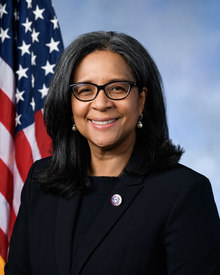

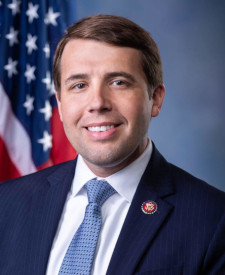


Legislative Progress
In CommitteeMs. Strickland (for herself and Mr. Fitzpatrick) introduced the following …
Referred to the House Committee on Energy and Commerce.
Introduced in House
Stakeholder Effects
cui bono?How this legislation distributes effects. Mention counts reflect frequency, not effect magnitude.
Children affected by opioid misuse, Kinship care families, Kinship caregivers
Bill Structure & Actor Mappings
Who is "The Secretary" in each section?
We use a combination of our own taxonomy and classification in addition to large language models to assess meaning and potential beneficiaries. High confidence means strong textual evidence. Always verify with the original bill text.
Learn more about our methodology