Floodplain Enhancement and Recovery Act
Summary
What This Bill Does
The Floodplain Enhancement and Recovery Act rewrites section 22 of the Homeowner Flood Insurance Affordability Act to define ecosystem restoration projects as projects that restore or improve natural and beneficial functions of aquatic resources or floodplains. A requester seeking a flood insurance rate map change based on an ecosystem restoration project is exempt from review or processing fees. A community may permit a restoration project in a regulatory floodway even if it raises base flood elevations, but only if a professional engineer finds the cumulative increase is no more than one foot or another FEMA-approved metric, no insurable structure or critical infrastructure is adversely affected, and the community submits a changed-conditions analysis to FEMA within 180 days after completion. FEMA must issue implementation guidance within 180 days after consulting Federal and State natural resource agencies, and existing landowner-notice procedures remain unchanged.
Who Benefits and How
Ecosystem restoration sponsors benefit from lower FEMA map-change costs and a clearer path to floodway projects that restore wetlands, aquatic resources, or floodplain functions. Communities benefit from flexibility to approve carefully bounded restoration projects without treating any base-flood elevation increase as automatically disqualifying. Professional engineers and natural resource agencies gain defined roles in demonstrating safety and implementation.
Who Bears the Burden and How
FEMA must issue guidance, review changed-conditions analyses, and administer exemptions for restoration-based map changes. Communities approving projects must document engineering findings, protect insurable structures and critical infrastructure, and submit post-completion analyses. Landowners still receive existing floodway-development notices, but may need to evaluate nearby restoration impacts.
Key Provisions
- Defines ecosystem restoration projects for flood insurance map-change and floodway purposes.
- Exempts restoration-based flood insurance rate map change requests from FEMA review or processing fees.
- Authorizes communities to permit limited floodway base-flood elevation increases for restoration projects when engineering, infrastructure, and reporting safeguards are met.
- Requires communities to submit changed-conditions analyses to FEMA within 180 days after project completion.
- Requires FEMA implementation guidance after consultation with Federal and State natural resource agencies.
Evidence Chain:
This summary is generated from the full bill text using AI analysis. Expand "Detailed Analysis" below for identified beneficiaries/burden bearers with clause-level evidence links.
At a Glance
What This Bill Does
Makes ecosystem restoration projects easier to pursue in floodplains by waiving FEMA map-change fees, allowing limited floodway elevation increases under safeguards, and requiring implementation guidance.
Key Policy Areas
Environment, Flood Insurance, Infrastructure
Primary Purpose
Makes ecosystem restoration projects easier to pursue in floodplains by waiving FEMA map-change fees, allowing limited floodway elevation increases under safeguards, and requiring implementation guidance.
Policy Domains
Substantive provisions
Identified Gains
- Ecosystem restoration project sponsors
- Floodplain communities
- Professional engineers working on restoration projects
- State natural resource agencies
Identified Costs
- Federal Emergency Management Agency
- Local floodplain administrators
- Communities approving floodway projects
- Nearby landowners
Sponsors

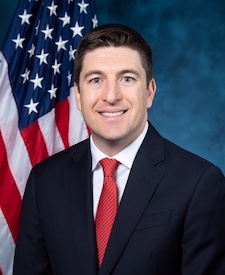

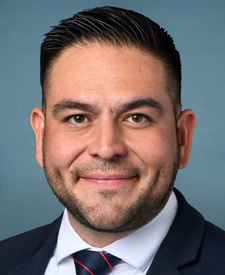

Legislative Progress
In CommitteeMr. Downing (for himself, Ms. Bynum, Mr. Steil, and Ms. …
Referred to the House Committee on Financial Services.
Introduced in House
Stakeholder Effects
cui bono?How this legislation distributes effects. Mention counts reflect frequency, not effect magnitude.
Floodplain communities, Local floodplain administrators
Positive-direction: Floodplain communities
Negative-direction: Local floodplain administrators
Professional engineers working on restoration projects
Bill Structure & Actor Mappings
Who is "The Secretary" in each section?
We use a combination of our own taxonomy and classification in addition to large language models to assess meaning and potential beneficiaries. High confidence means strong textual evidence. Always verify with the original bill text.
Learn more about our methodology