Affordable Insulin Now Act
Summary
What This Bill Does
The Affordable Insulin Now Act requires group health plans and health insurance issuers offering group or individual coverage, for plan years beginning on or after January 1, 2026, to cover selected insulin products without a deductible and with cost-sharing capped at the lesser of $35 per 30-day supply or 25 percent of the negotiated price net of price concessions, including concessions received by pharmacy benefit managers or other third-party service providers. Selected insulin products must include at least one dosage form of each different type of marketed insulin when available, such as vial, pump, inhaler, rapid-acting, short-acting, intermediate-acting, long-acting, ultra-long-acting, and premixed products. Cost-sharing counts toward deductibles and out-of-pocket maximums, but plans need not cover selected insulin from out-of-network providers and may impose different cost-sharing on nonselected insulin products when otherwise lawful. The bill applies parallel requirements through the Public Health Service Act, Internal Revenue Code, and ERISA.
Who Benefits and How
People with diabetes using selected insulin products benefit from no deductible and a predictable per-30-day cost-sharing cap. Families and workers in group or individual coverage benefit when insulin spending counts toward deductibles and out-of-pocket maximums. Employers and plans may benefit from clearer Federal rules on selected insulin products across PHS Act, tax-code, and ERISA regimes.
Who Bears the Burden and How
Health insurance issuers, group health plans, employer plan sponsors, and pharmacy benefit managers must redesign formularies, cost-sharing, deductible accounting, and concession calculations by 2026. Plans and issuers may bear higher claim costs or premium pressure from lower patient cost-sharing. Federal agencies enforcing PHS Act, Internal Revenue Code, and ERISA requirements must issue guidance and monitor compliance.
Key Provisions
- Requires group and individual health coverage to cover selected insulin products beginning with plan years on or after January 1, 2026.
- Caps selected insulin cost-sharing at the lesser of $35 per 30-day supply or 25 percent of net negotiated price.
- Bars deductibles for selected insulin products and counts insulin cost-sharing toward deductibles and out-of-pocket maximums.
- Defines selected insulin to include at least one dosage form of each different type of marketed insulin when available.
- Preserves network limits and allows different cost-sharing for nonselected insulin products when otherwise lawful.
Evidence Chain:
This summary is generated from the full bill text using AI analysis. Expand "Detailed Analysis" below for identified beneficiaries/burden bearers with clause-level evidence links.
At a Glance
What This Bill Does
Caps cost-sharing for selected insulin products at the lesser of $35 per 30-day supply or 25 percent of net negotiated price across group, individual, tax-code, and ERISA health-plan rules beginning in 2026.
Key Policy Areas
Healthcare, Insurance, Prescription Drugs
Primary Purpose
Caps cost-sharing for selected insulin products at the lesser of $35 per 30-day supply or 25 percent of net negotiated price across group, individual, tax-code, and ERISA health-plan rules beginning in 2026.
Policy Domains
Substantive provisions
Identified Gains
- People with diabetes using selected insulin
- Families with insulin expenses
- Employees in group health plans
- Individual market enrollees using insulin
Identified Costs
- Health insurance issuers
- Group health plans
- Employer plan sponsors
- Pharmacy benefit managers
- Federal health plan enforcement agencies
Sponsors




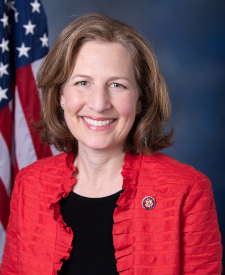
Legislative Progress
In CommitteeMs. Craig (for herself, Mrs. McBath, Mr. Horsford, Mr. Landsman, …
Referred to the Committee on Energy and Commerce, and in …
Introduced in House
Stakeholder Effects
cui bono?How this legislation distributes effects. Mention counts reflect frequency, not effect magnitude.
Group health plans, Health insurance issuers
Bill Structure & Actor Mappings
Who is "The Secretary" in each section?
We use a combination of our own taxonomy and classification in addition to large language models to assess meaning and potential beneficiaries. High confidence means strong textual evidence. Always verify with the original bill text.
Learn more about our methodology