PLAY Act
Summary
What This Bill Does
The PLAY Act finds that safe playgrounds and local green spaces support children’s cognitive, emotional, physical, and social development, reduce chronic disease risk, and can lower surface heat by 10 to 20 degrees. It directs HHS, within 180 days, to establish a Task Force on Child Wellness and Physical Activity Infrastructure co-chaired by HHS and Interior. Members include HHS, Interior, EPA, Agriculture, HUD, DOT, CEQ, Defense, the Army Corps of Engineers, AmeriCorps, Education, and other appropriate agencies. The task force must identify coordination opportunities, barriers to close-to-home outdoor spaces, recommendations for active play and resilient community centers, and scalable public-private partnership models, consult health, wellness, outdoor recreation, and playground-development groups, submit preliminary and final reports, and terminate one year after the final report.
Who Benefits and How
Children and families benefit if Federal agencies better coordinate playground, outdoor recreation, public health, heat-reduction, and community-wellness policy. Local governments, parks departments, schools, and nonprofit playground organizations benefit from Federal recommendations and scalable partnership models. Congressional committees benefit from reports identifying barriers and coordination opportunities.
Who Bears the Burden and How
HHS and Interior must co-chair and staff the task force, coordinate many Federal agencies, consult outside organizations, and submit reports. Participating agencies including EPA, USDA, HUD, DOT, Defense, Army Corps, AmeriCorps, and Education must contribute policy expertise. The task force terminates after reporting, so follow-through would depend on later agency or congressional action.
Key Provisions
- Establishes an interagency Task Force on Child Wellness and Physical Activity Infrastructure within 180 days.
- Requires HHS and Interior to co-chair a task force including EPA, USDA, HUD, DOT, CEQ, Defense, Army Corps, AmeriCorps, Education, and other agencies.
- Directs the task force to identify coordination opportunities, access barriers, active-play recommendations, resilient infrastructure strategies, and public-private partnership models.
- Requires consultation with health, wellness, outdoor recreation, and community-led playground development organizations.
- Requires preliminary and final reports to Congress before the task force terminates.
Evidence Chain:
This summary is generated from the full bill text using AI analysis. Expand "Detailed Analysis" below for identified beneficiaries/burden bearers with clause-level evidence links.
At a Glance
What This Bill Does
Creates a temporary interagency task force to coordinate Federal policy on playgrounds, outdoor play spaces, child wellness infrastructure, and physical activity for youth.
Key Policy Areas
Public Health, Parks & Recreation, Children
Primary Purpose
Creates a temporary interagency task force to coordinate Federal policy on playgrounds, outdoor play spaces, child wellness infrastructure, and physical activity for youth.
Policy Domains
Substantive provisions
Identified Gains
- Children using playgrounds
- Local parks departments
- Community playground nonprofits
- Congressional health committees
Identified Costs
- Department of Health and Human Services
- Department of the Interior
- Environmental Protection Agency
- Department of Education
- Participating Federal agencies
Sponsors
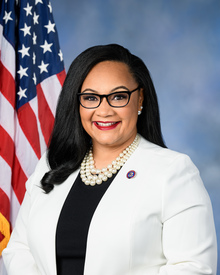

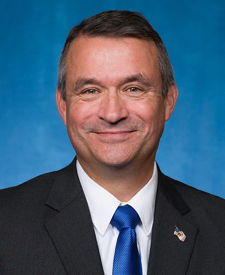
Legislative Progress
In CommitteeMs. Williams of Georgia (for herself and Mr. Bacon) introduced …
Referred to the House Committee on Energy and Commerce.
Introduced in House
Stakeholder Effects
cui bono?How this legislation distributes effects. Mention counts reflect frequency, not effect magnitude.
Bill Structure & Actor Mappings
Who is "The Secretary" in each section?
We use a combination of our own taxonomy and classification in addition to large language models to assess meaning and potential beneficiaries. High confidence means strong textual evidence. Always verify with the original bill text.
Learn more about our methodology