Urban and Rural Diabetes Initiative Act
Summary
What This Bill Does
The Urban and Rural Diabetes Initiative Act adds a Public Health Service Act grant program for eligible public and nonprofit private providers serving medically underserved communities. Eligible providers include community-based organizations, health care organizations, rural health clinics, Federally qualified health centers, and State, local, or Tribal health departments. Grant recipients must provide routine diabetes care, public education on prevention and control, eye care, foot care, treatment for kidney disease and other complications, culturally and linguistically appropriate services, and outreach to inform the public. HHS must ensure equitable geographic distribution and balance urban and rural needs, and the bill authorizes such sums as necessary for fiscal years 2026 through 2031.
Who Benefits and How
Patients with diabetes in medically underserved urban and rural communities benefit from expanded routine care, prevention education, eye and foot care, kidney-disease treatment, culturally appropriate services, and outreach. Federally qualified health centers, rural health clinics, community organizations, nonprofit providers, and State, local, and Tribal health departments benefit from new grant eligibility.
Who Bears the Burden and How
HHS must design and administer the grant program, review applications, ensure equitable geographic distribution, and monitor recipient conditions. Grant recipients must provide specified diabetes services, language and cultural tailoring, public outreach, and application assurances. Federal taxpayers bear the cost of appropriations for fiscal years 2026 through 2031.
Key Provisions
- Authorizes HHS grants for diabetes treatment and comorbid-condition services in medically underserved communities.
- Requires grant recipients to provide routine care, prevention education, eye care, foot care, kidney-disease treatment, culturally appropriate services, and outreach.
- Expands eligible providers to include community organizations, health care organizations, rural health clinics, FQHCs, and State, local, or Tribal health departments.
- Requires equitable geographic distribution and balanced attention to urban and rural communities.
Evidence Chain:
This summary is generated from the full bill text using AI analysis. Expand "Detailed Analysis" below for identified beneficiaries/burden bearers with clause-level evidence links.
At a Glance
What This Bill Does
Authorizes HHS grants for diabetes treatment, prevention education, complication care, culturally appropriate services, and outreach in medically underserved urban and rural communities.
Key Policy Areas
Healthcare, Public Health, Rural Health
Primary Purpose
Authorizes HHS grants for diabetes treatment, prevention education, complication care, culturally appropriate services, and outreach in medically underserved urban and rural communities.
Policy Domains
Substantive provisions
Identified Gains
- Diabetic patients in medically underserved communities
- Federally qualified health centers
- Rural health clinics
- Community-based health organizations
- State and Tribal health departments
Identified Costs
- Department of Health and Human Services
- Grant recipient health providers
- Federal taxpayers
Sponsors


Legislative Progress
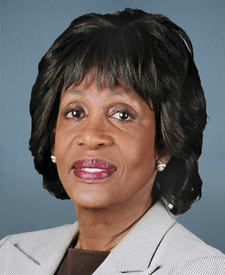
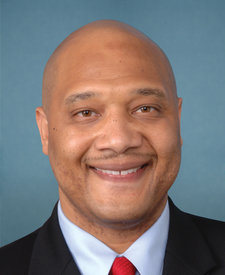
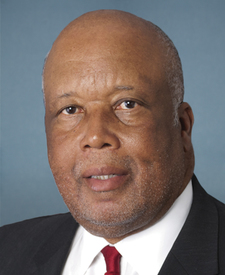
In CommitteeMs. Waters (for herself, Ms. Barragán, Mrs. Beatty, Mr. Carson, …
Referred to the House Committee on Energy and Commerce.
Introduced in House
Stakeholder Effects
cui bono?How this legislation distributes effects. Mention counts reflect frequency, not effect magnitude.
Diabetic patients in medically underserved communities, Federally qualified health centers, Grant recipient health providers
Positive-direction: Diabetic patients in medically underserved communities, Federally qualified health centers, Rural health clinics
Negative-direction: Grant recipient health providers
Community-based health organizations
State and Tribal health departments
Bill Structure & Actor Mappings
Who is "The Secretary" in each section?
We use a combination of our own taxonomy and classification in addition to large language models to assess meaning and potential beneficiaries. High confidence means strong textual evidence. Always verify with the original bill text.
Learn more about our methodology