RIFLE Act of 2025
Summary
What This Bill Does
The RIFLE Act changes how DOJ and ATF enforce violations by Federal firearms licensees. Non-willful violations must be handled through notice and a chance to rectify the problem, and willful violations can lead to revocation only after the Attorney General works with the licensee and finds lesser actions unlikely to secure future compliance. The bill presumes violations are not willful unless clear and convincing evidence proves otherwise, treats multiple related recordkeeping failures as single violations, imposes a three-year enforcement limit in most cases, and requires detailed certified-mail notice and hearing rights. It defines willfulness as actual knowledge and deliberate disregard of a clear legal duty, limits evidence that can prove willfulness, requires reconsideration or reinstatement for certain former licensees affected by ATF orders, creates a reimbursement website for legal fees, requires public written ATF inspection standards with mitigation factors, gives transferred firearms businesses a chance to cure inherited violations, and narrows criminal recordkeeping language to material false or significant entries.
Who Benefits and How
Federal firearms licensees benefit from clearer notice, cure opportunities, a higher willfulness threshold, shorter enforcement windows, public standards, and limits on license revocation. Former licensees affected by covered ATF orders can benefit from reconsideration, reinstatement, ended suspensions, and legal-fee reimbursement. Firearms business successors, surviving spouses, estates, bankruptcy trustees, and secured creditors benefit from not being presumed responsible for inherited violations.
Who Bears the Burden and How
ATF and the Attorney General must follow more procedural steps before adverse actions, write inspection standards, reconsider past denials, operate a reimbursement website, report to Congress, and apply a higher evidentiary threshold. Public-safety regulators and gun-violence prevention advocates may bear increased enforcement risk if serious repeat compliance problems are harder to convert into revocations. Federal taxpayers bear legal-fee reimbursement costs.
Key Provisions
- Requires graduated penalties and notice-and-cure opportunities for Federal firearms licensee violations.
- Tightens the definition of willfulness and limits evidence DOJ may use to prove actual knowledge.
- Requires reconsideration, reinstatement, suspension relief, and legal-fee reimbursement for certain former licensees affected by ATF orders.
- Requires public written ATF standards for inspections, investigations, denials, suspensions, revocations, and mitigation factors.
- Protects transferred firearms businesses from being presumed responsible for inherited violations and narrows criminal recordkeeping standards to material violations.
Evidence Chain:
This summary is generated from the full bill text using AI analysis. Expand "Detailed Analysis" below for identified beneficiaries/burden bearers with clause-level evidence links.
At a Glance
What This Bill Does
Rewrites Federal firearms-license enforcement rules to require graduated penalties, a stricter willfulness standard, reconsideration of certain license actions, public inspection standards, and cure opportunities after business transfers.
Key Policy Areas
Firearms Regulation, Law Enforcement, Small Business
Primary Purpose
Rewrites Federal firearms-license enforcement rules to require graduated penalties, a stricter willfulness standard, reconsideration of certain license actions, public inspection standards, and cure opportunities after business transfers.
Policy Domains
Substantive provisions
Identified Gains
- Federal firearms licensees
- Former firearms licensees seeking reconsideration
- Firearms business successors
- Secured creditors in firearms business transfers
Identified Costs
- Bureau of Alcohol, Tobacco, Firearms and Explosives
- Attorney General
- Department of Justice Inspector General
- Federal taxpayers
- Gun violence prevention advocates
Sponsors
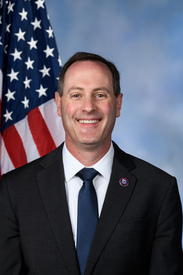


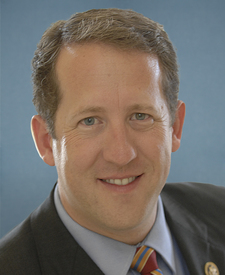
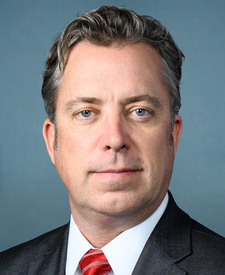
Legislative Progress
In CommitteeMr. Mann (for himself, Mr. Clyde, Mr. Finstad, Mr. Downing, …
Referred to the House Committee on the Judiciary.
Introduced in House
Stakeholder Effects
cui bono?How this legislation distributes effects. Mention counts reflect frequency, not effect magnitude.
Federal firearms licensees, Firearms business successors, Firearms license applicants
ATF enforcement attorneys, Bureau of Alcohol, Tobacco, Firearms and Explosives
Attorney General, Federal courts hearing firearms license cases
Secured creditors in firearms business transfers
Bill Structure & Actor Mappings
Who is "The Secretary" in each section?
We use a combination of our own taxonomy and classification in addition to large language models to assess meaning and potential beneficiaries. High confidence means strong textual evidence. Always verify with the original bill text.
Learn more about our methodology