RIFLE Act of 2025
Sponsors




Legislative Progress
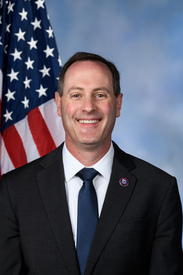
In CommitteeMr. Mann (for himself, Mr. Clyde, Mr. Finstad, Mr. Downing, …
Summary
What This Bill Does:
The RIFLE Act (Reining In Federal Licensing Enforcement Act of 2025) significantly limits the power of the Bureau of Alcohol, Tobacco, Firearms, and Explosives (ATF) to revoke or suspend federal firearms dealer licenses. It establishes a graduated penalty system that requires ATF to work with dealers to fix violations before taking enforcement action, and raises the burden of proof needed to prove dealers acted "willfully" in violating gun laws.
Who Benefits and How:
- Federal Firearms Licensees (gun dealers and manufacturers) are the primary beneficiaries. They gain substantial new protections: violations must be presumed non-willful unless proven otherwise by "clear and convincing evidence," multiple violations in a single transaction count as one violation, and evidence of past acknowledgment of legal duties cannot be used to prove willfulness.
- Former license holders whose applications were previously denied can request reconsideration under the new, more lenient standards.
- License holders affected by recent ATF enforcement orders (5370.1E, F, or G) can have their revocations reversed, suspensions ended, and legal fees reimbursed.
Who Bears the Burden and How:
- The ATF (Bureau of Alcohol, Tobacco, Firearms, and Explosives) faces significant new constraints on enforcement. They must establish formal written inspection standards, presume violations are non-willful, work with dealers to fix problems before taking action, and meet a higher evidentiary standard to prove willfulness.
- The public and law enforcement may face reduced regulatory oversight of firearms dealers, as the bill makes it considerably harder to revoke licenses even for repeat violations.
- Agencies requesting firearms purchaser information must certify they will not disclose identifying information to entities other than courts, law enforcement, or prosecutors.
Key Provisions:
- Establishes a graduated penalty system: for non-willful violations, ATF must work with the dealer to fix the issue; for willful violations, ATF must first try lesser actions like warnings before seeking revocation
- Redefines "willfully" to require proof that the person had actual knowledge of a legal duty, understood it, and deliberately disregarded it - and prohibits using signed acknowledgments or past experience as evidence of this knowledge
- Counts multiple firearm violations in a single transaction as only one violation
- Requires reconsideration of previously denied license applications and reversal of enforcement actions taken under recent ATF orders (with legal fee reimbursement)
- Gives dealers 90 days to liquidate inventory after license expiration, surrender, or revocation
- Protects new owners who acquire gun businesses from being held responsible for the previous owner's violations
Evidence Chain:
This summary is derived from the structured analysis below. See "Detailed Analysis" for per-title beneficiaries/burden bearers with clause-level evidence links.
Primary Purpose
We use a combination of our own taxonomy and classification in addition to large language models to assess meaning and potential beneficiaries. High confidence means strong textual evidence. Always verify with the original bill text.
Learn more about our methodology