Baby Bonus Act
Summary
What This Bill Does
The Baby Bonus Act establishes an Office of Baby Assistance inside the Social Security Administration, led by a Deputy Commissioner, to administer baby bonus payments, review applications, maintain records, prevent fraud, provide culturally and linguistically competent outreach, issue regulations, and report annually to Congress. Beginning January 1, 2026, eligible parents can receive a $2,000 payment for each qualifying child, with separate payments for multiple births and inflation adjustments after 2026. Applications generally must be submitted within one year of birth or qualifying fetal or child death, and payments may be available up to 60 days before an expected due date. The bill sets notice, objection, custody, shared-custody, recovery, adoption, surrogacy, and eligibility rules, including U.S. residence and citizenship, nationality, or qualified-alien status.
Who Benefits and How
Eligible parents benefit from a direct $2,000 indexed payment for each qualifying child, including separate payments for multiple births and possible pre-birth payments shortly before the due date. Adoptive parents, intended parents in surrogacy arrangements, and legal guardians can benefit when they meet the bill’s eligibility and documentation rules. Congress and the public receive annual reporting on payment counts, disbursements, and demographics.
Who Bears the Burden and How
The Social Security Administration must create a new office, hire staff, run applications, handle custody disputes and objections, maintain records, prevent fraud, recover improper payments, and publish reports. Federal taxpayers bear the cost of the new entitlement-like payments and administration. Parents in disputed custody or adoption cases may need to provide court orders or other documentation before payment.
Key Provisions
- Establishes an Office of Baby Assistance inside the Social Security Administration.
- Authorizes a $2,000 baby bonus beginning in 2026, indexed for inflation after 2026, for each qualifying child.
- Requires application, notice, objection, custody, adoption, surrogacy, fraud-prevention, and recovery procedures.
- Requires culturally and linguistically competent public outreach and annual congressional reporting on payment outcomes.
Evidence Chain:
This summary is generated from the full bill text using AI analysis. Expand "Detailed Analysis" below for identified beneficiaries/burden bearers with clause-level evidence links.
At a Glance
What This Bill Does
Creates a Social Security Administration Office of Baby Assistance to pay a $2,000 indexed baby bonus for qualifying children, with application, custody, adoption, surrogacy, and anti-fraud rules.
Key Policy Areas
Social Services, Family Policy, Government Administration
Primary Purpose
Creates a Social Security Administration Office of Baby Assistance to pay a $2,000 indexed baby bonus for qualifying children, with application, custody, adoption, surrogacy, and anti-fraud rules.
Policy Domains
Substantive provisions
Identified Gains
- Eligible parents of qualifying children
- Adoptive parents with court-approved agreements
- Intended parents in surrogacy arrangements
- Congressional oversight committees
Identified Costs
- Social Security Administration
- Office of Baby Assistance
- Federal taxpayers
- Parents in disputed custody cases
Sponsors
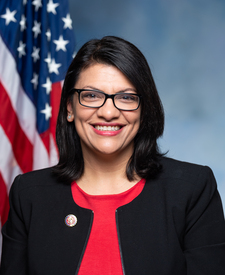


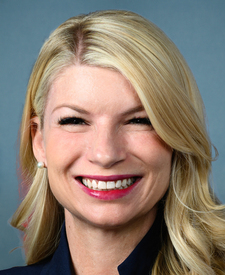

Legislative Progress
In CommitteeMs. Tlaib (for herself, Ms. Norton, Ms. Lee of Pennsylvania, …
Referred to the House Committee on Ways and Means.
Introduced in House
Stakeholder Effects
cui bono?How this legislation distributes effects. Mention counts reflect frequency, not effect magnitude.
Congressional oversight committees, Office of Baby Assistance, Social Security Administration
Positive-direction: Congressional oversight committees
Negative-direction: Office of Baby Assistance, Social Security Administration
Adoptive parents with court-approved agreements, Eligible parents of qualifying children, Intended parents in surrogacy arrangements
Bill Structure & Actor Mappings
Who is "The Secretary" in each section?
We use a combination of our own taxonomy and classification in addition to large language models to assess meaning and potential beneficiaries. High confidence means strong textual evidence. Always verify with the original bill text.
Learn more about our methodology