Commercial Motor Vehicle English Proficiency Act
Summary
What This Bill Does
The bill amends commercial driver testing rules so, beginning two years after enactment, an individual cannot pass a written, verbal, or automated commercial motor vehicle knowledge test or receive a fitness certification unless the person can understand English information needed to operate a commercial motor vehicle and communicate in English while operating it. The required abilities include reading English traffic signs, communicating with traffic safety officers, border patrol agents, agricultural checkpoint officers, and cargo weight-limit station personnel, and giving or receiving directions in English. It also bars knowledge tests from being administered in any language other than English and directs the Transportation Secretary to update 49 C.F.R. part 383 within two years.
Who Benefits and How
Traffic safety officers, border patrol agents, agricultural checkpoint staff, and cargo weight-limit station personnel benefit from a common English communication standard for commercial drivers. Motor carriers and road users may benefit if English-only testing improves roadside communication and sign comprehension.
Who Bears the Burden and How
Commercial driver applicants with limited English proficiency face a new barrier to passing knowledge tests and receiving certification. State driver licensing agencies and FMCSA must revise testing systems, test languages, and regulations. Motor carriers that rely on limited-English-proficient drivers may face recruiting or training costs.
Key Provisions
- Requires commercial motor vehicle operators to demonstrate English understanding and communication ability before passing knowledge tests or receiving fitness certification.
- Bars commercial-driver knowledge tests from being administered in languages other than English after two years.
- Directs the Transportation Secretary to update commercial-driver testing regulations in 49 C.F.R. part 383.
Evidence Chain:
This summary is generated from the full bill text using AI analysis. Expand "Detailed Analysis" below for identified beneficiaries/burden bearers with clause-level evidence links.
At a Glance
What This Bill Does
Requires commercial motor vehicle operators to demonstrate English proficiency for knowledge testing and fitness certification, and bars commercial-driver knowledge tests in other languages after a two-year implementation period.
Key Policy Areas
Transportation, Workforce, Public Safety
Primary Purpose
Requires commercial motor vehicle operators to demonstrate English proficiency for knowledge testing and fitness certification, and bars commercial-driver knowledge tests in other languages after a two-year implementation period.
Policy Domains
Substantive provisions
Identified Gains
- Traffic safety officers
- Federal Motor Carrier Safety Administration
- Motor carriers prioritizing English-only compliance
- Road users
Identified Costs
- Commercial driver applicants with limited English proficiency
- State driver licensing agencies
- Motor carriers needing driver language training
Sponsors




Legislative Progress
In CommitteeReferred to the Subcommittee on Highways and Transit.
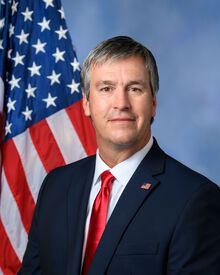
Mr. Taylor (for himself, Ms. Hageman, Mr. Steube, Mr. Carter …
Referred to the House Committee on Transportation and Infrastructure.
Introduced in House
Stakeholder Effects
cui bono?How this legislation distributes effects. Mention counts reflect frequency, not effect magnitude.
Commercial driver applicants with limited English proficiency, Motor carriers needing driver language training
Bill Structure & Actor Mappings
Who is "The Secretary" in each section?
We use a combination of our own taxonomy and classification in addition to large language models to assess meaning and potential beneficiaries. High confidence means strong textual evidence. Always verify with the original bill text.
Learn more about our methodology