PAUSE Act of 2025
Summary
What This Bill Does
The bill pauses issuance of most visas and immigration status until U.S. law is changed to allow States and localities to deny public school access to people without lawful status, bar nonimmigrant adjustment to permanent residence, limit birthright citizenship to children with a U.S.-citizen or lawful-permanent-resident parent, sharply restrict family-based status, exclude several ideological or security-related categories, and make noncitizens ineligible for listed Federal benefits such as Medicare, SSI, SNAP, ACA premium tax credits, EITC, WIC, Federal student loans, HUD and rural housing assistance, community development assistance, and SBA loans. It exempts B-2 visitors from the pause. Separately, it imposes a $100,000 employer fee for many H-1B initial grants, extensions, and employer changes beginning in fiscal year 2026, revokes OPT employment authorization for F-1 students, and terminates the diversity immigrant visa program.
Who Benefits and How
Supporters of tighter immigration limits, restrictionist policy advocates, and public-benefit administrators benefit from statutory language that would reduce eligibility and admissions channels. Some U.S. workers could benefit if employers reduce H-1B hiring because of the new fee. Public school districts and States that want authority to deny enrollment to students without lawful status would gain authority if Congress enacted the prerequisite changes.
Who Bears the Burden and How
Immigrant visa applicants, many nonimmigrant workers, F-1 students relying on OPT, diversity visa selectees, mixed-status families, H-1B employers, universities, and public-benefit recipients who are noncitizens would face revocations, lost work authorization, denied status, or sharply higher costs. Federal immigration agencies would need to revoke pending approvals, refund fees where required, and administer multiple new exclusion rules.
Key Provisions
- Bars issuance of most visas or immigration status until Congress enacts broad restrictions on school access, adjustment of status, birthright citizenship, family status, ideological/security exclusions, and public benefits.
- Exempts B-2 visitor visas from the broad immigration-status pause.
- Requires many H-1B employers to pay a $100,000 fee for initial grants, extensions, and employer changes starting in fiscal year 2026.
- Repeals OPT employment authorization for F-1 students and revokes selected existing authorizations with fee refunds.
- Repeals the diversity immigrant visa program and revokes selected applications with fee refunds.
Evidence Chain:
This summary is generated from the full bill text using AI analysis. Expand "Detailed Analysis" below for identified beneficiaries/burden bearers with clause-level evidence links.
At a Glance
What This Bill Does
Conditions most immigration benefits on major statutory changes, adds a $100,000 H-1B employer fee, ends F-1 OPT work authorization, and terminates the diversity visa program.
Key Policy Areas
Immigration, Education, Labor, Public Benefits
Primary Purpose
Conditions most immigration benefits on major statutory changes, adds a $100,000 H-1B employer fee, ends F-1 OPT work authorization, and terminates the diversity visa program.
Policy Domains
Substantive provisions
Identified Gains
- Immigration restriction policy advocates
- Public benefit administrators
- States seeking immigration-enforcement authority
- Some U.S. workers competing with H-1B workers
Identified Costs
- Immigrant visa applicants
- H-1B employers
- F-1 students using OPT
- Diversity visa selectees
- Noncitizen public benefit applicants
Sponsors



Legislative Progress
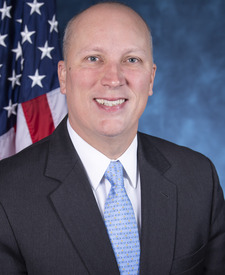
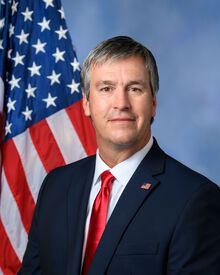
In CommitteeMr. Roy (for himself, Mr. Biggs of Arizona, Mr. Self, …
Referred to the House Committee on the Judiciary.
Introduced in House
Stakeholder Effects
cui bono?How this legislation distributes effects. Mention counts reflect frequency, not effect magnitude.
Diversity visa selectees, H-1B workers, Immigrant visa applicants
Department of State visa offices, Federal immigration agencies, U.S. Citizenship and Immigration Services
Employers hiring OPT graduates, H-1B employers
Positive-direction: Employers hiring OPT graduates
Negative-direction: H-1B employers
F-1 students using OPT, Universities serving international students
Positive-direction: Universities serving international students
Negative-direction: F-1 students using OPT
States seeking immigration-enforcement authority
Bill Structure & Actor Mappings
Who is "The Secretary" in each section?
We use a combination of our own taxonomy and classification in addition to large language models to assess meaning and potential beneficiaries. High confidence means strong textual evidence. Always verify with the original bill text.
Learn more about our methodology