Protecting First Responders from Secondary Exposure Act of 2025
Summary
What This Bill Does
The Protecting First Responders from Secondary Exposure Act amends section 3021(a) of the Omnibus Crime Control and Safe Streets Act of 1968, the Byrne JAG authorized-use provision. It adds a new eligible use for providing training and resources to first responders on containment devices that prevent secondary exposure to fentanyl and other potentially lethal substances, and for purchasing those containment devices for first responders. The bill does not create a new stand-alone grant program; it expands what existing grant funds may support.
Who Benefits and How
Fire departments benefit because existing public safety grant funds can support containment-device training and purchases for fentanyl exposure prevention. Law enforcement agencies benefit because officers can receive equipment and training to reduce secondary exposure when handling lethal substances. Emergency medical services personnel benefit from grant-funded resources on containment devices used during overdose, drug seizure, or hazardous-materials responses. First responder training programs benefit because the bill makes containment-device instruction an eligible grant use.
Who Bears the Burden and How
Byrne JAG grant administrators must review containment-device training and purchase requests under the amended eligible-use list. State administering agencies may need to update grant guidance and application materials for the new allowable use. Federal taxpayers fund any containment-device purchases or training supported through existing grant appropriations.
Key Provisions
- Adds containment-device training for first responders as an eligible Byrne JAG grant use.
- Authorizes grant-funded purchase of containment devices for first responders.
- Targets secondary exposure to fentanyl and other potentially lethal substances.
Evidence Chain:
This summary is generated from the full bill text using AI analysis. Expand "Detailed Analysis" below for identified beneficiaries/burden bearers with clause-level evidence links.
At a Glance
What This Bill Does
Adds Byrne JAG grant eligibility for training, resources, and purchasing containment devices that help first responders avoid secondary exposure to fentanyl and other potentially lethal substances.
Key Policy Areas
First Responders, Opioids, Law Enforcement Grants
Primary Purpose
Adds Byrne JAG grant eligibility for training, resources, and purchasing containment devices that help first responders avoid secondary exposure to fentanyl and other potentially lethal substances.
Policy Domains
Substantive provisions
Identified Gains
- Fire departments
- Law enforcement agencies
- Emergency medical services personnel
- First responder training programs
Identified Costs
- Byrne JAG grant administrators
- State administering agencies
- Federal taxpayers
Sponsors
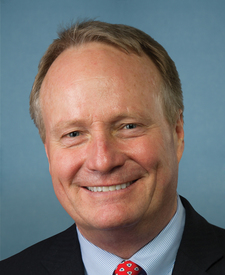


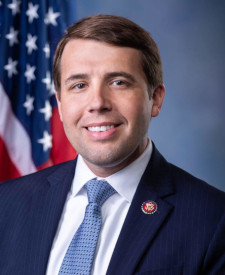
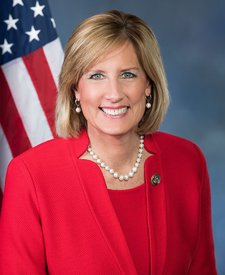
Legislative Progress
In CommitteeMr. Joyce of Ohio (for himself, Ms. Dean of Pennsylvania, …
Referred to the House Committee on the Judiciary.
Introduced in House
Bill Structure & Actor Mappings
Who is "The Secretary" in each section?
We use a combination of our own taxonomy and classification in addition to large language models to assess meaning and potential beneficiaries. High confidence means strong textual evidence. Always verify with the original bill text.
Learn more about our methodology