To protect the confidentiality of culturally sensitive information.
Analysis under review: This bill has generated analysis that may be too generic or incomplete. Clause-level evidence remains available below.
Summary
What This Bill Does
This bill creates new protections for culturally sensitive information that Indian Tribes, Alaska Native Entities, and Native Hawaiian Organizations share with federal agencies. It allows tribal governments to designate information about sacred sites, burial locations, cultural items, and religious practices as confidential, making it exempt from Freedom of Information Act (FOIA) requests.
Who Benefits and How
Indian Tribes, Alaska Native Entities, and Native Hawaiian Organizations benefit by gaining legal protection for sensitive cultural and religious information they share with the government. This includes information about burial sites, sacred locations, cultural items subject to repatriation, and ceremonial practices. They gain the ability to designate information as confidential and must be consulted before any disclosure.
Who Bears the Burden and How
Federal agencies face new compliance requirements including consulting with tribes on information storage and access, implementing special procedures for handling designated information, and promulgating new rules within one year. The public and researchers may face reduced access to some government-held information about Native American cultural sites and practices.
Key Provisions
- Tribal governments and authorized representatives can designate information about sacred sites, burial locations, and cultural practices as confidential
- Culturally sensitive information becomes exempt from FOIA disclosure
- Courts must follow special procedures if ordered to compel disclosure, including notifying tribes and mitigating adverse effects
- The Secretary of the Interior must establish government-wide guidelines for handling this information
Evidence Chain:
This summary is generated from the full bill text using AI analysis. Expand "Detailed Analysis" below for identified beneficiaries/burden bearers with clause-level evidence links.
At a Glance
What This Bill Does
Protects the confidentiality of culturally sensitive information provided by Indian Tribes, Alaska Native Entities, and Native Hawaiian Organizations to federal agencies by creating FOIA exemptions and establishing disclosure procedures.
Key Policy Areas
Native American Affairs, Government Transparency, Cultural Preservation, Religious Freedom
Primary Purpose
Protects the confidentiality of culturally sensitive information provided by Indian Tribes, Alaska Native Entities, and Native Hawaiian Organizations to federal agencies by creating FOIA exemptions and establishing disclosure procedures.
Policy Domains
Entire Bill - Protect Culturally Sensitive Information Act
Identified Gains
- Federally recognized Indian Tribes
- Alaska Native Entities
- Native Hawaiian Organizations
- Cultural preservation advocates
Identified Costs
- Federal agencies
- FOIA requesters
- Academic researchers
Sponsors
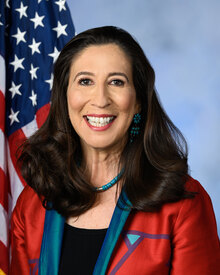

Legislative Progress
IntroducedMs. Leger Fernandez (for herself and Ms. Randall) introduced the …
Stakeholder Effects
cui bono?How this legislation distributes effects. Mention counts reflect frequency, not effect magnitude.
Alaska Native Entities, Federally recognized Indian Tribes, Native Hawaiian Organizations
Federal agencies handling tribal information, Federal agencies under 5 U.S.C. 551, Secretary of the Interior
Academic researchers studying Native American culture
Bill Structure & Actor Mappings
Who is "The Secretary" in each section?
- "agency"
- → Any federal agency as defined in 5 U.S.C. 551
- "the_secretary"
- → Secretary of the Interior
- "tribal_government"
- → Governing body of a federally recognized Indian Tribe
- "authorized_representative"
- → Person authorized by an Alaska Native Entity, Native Hawaiian Organization, or Tribal Government
Key Definitions
Terms defined in this bill
Information relating to the location or attributes of culturally or religiously significant sites including burial sites, or to cultural items, or the existence or details of cultural or religious practices, that has been designated as such by a Tribal Government or Authorized Representative
Has the meaning given in section 551 of title 5, United States Code
Any Indian or Alaska Native Tribe, band, nation, pueblo, village, or other community on the list published by the Secretary of the Interior pursuant to section 104 of the Federally Recognized Indian Tribe List Act of 1994
A Native Corporation as defined in section 3 of the Alaska Native Claims Settlement Act, or an Alaska Native Association referenced in section 7(a) of that Act
A person authorized by an Alaska Native Entity, Native Hawaiian Organization, or Tribal Government to make determinations with respect to culturally sensitive information
An organization that serves and represents the interests of Native Hawaiians, has the primary purpose of providing services to Native Hawaiians, and has expertise in Native Hawaiian affairs
We use a combination of our own taxonomy and classification in addition to large language models to assess meaning and potential beneficiaries. High confidence means strong textual evidence. Always verify with the original bill text.
Learn more about our methodology