To improve the biodetection functions of the Department of Homeland Security, and for other purposes.
Analysis under review: This bill has generated analysis that may be too generic or incomplete. Clause-level evidence remains available below.
Summary
What This Bill Does
Directs DHS to assess how it uses Department of Energy national laboratories for biodetection research and develop a strategy for improved coordination, including identifying technologies for the BioWatch program.
Who Benefits and How
DHS and public health benefit from improved biodetection capabilities. DOE national laboratories may receive increased research funding and collaboration opportunities. BioWatch jurisdictions benefit from updated biodetection technology.
Who Bears the Burden and How
DHS Countering Weapons of Mass Destruction Office bears assessment and strategy development burden within 180 days. Congressional committees receive reporting responsibilities.
Key Provisions
- Requires DHS assessment of DOE lab utilization for biodetection
- Mandates strategy for biodetection R&D coordination within 180 days
- Includes acquisition plan for biodetection technologies for BioWatch
- Requires periodic evaluations and contingency planning
Evidence Chain:
This summary is generated from the full bill text using AI analysis. Expand "Detailed Analysis" below for identified beneficiaries/burden bearers.
At a Glance
What This Bill Does
Requires DHS assessment of DOE national laboratory utilization for biodetection research and strategy development
Who Benefits
- DHS biodefense programs
- DOE national laboratories
- BioWatch jurisdictions
Who Bears Costs
- DHS CWMD Office
- Federal agencies coordinating strategy
Key Policy Areas
Homeland Security, Biodefense, Research and Development
Primary Purpose
Requires DHS assessment of DOE national laboratory utilization for biodetection research and strategy development
Policy Domains
Legislative Strategy
"Leverage DOE research capabilities to improve national biodetection infrastructure"
Sponsors
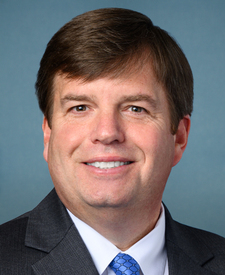
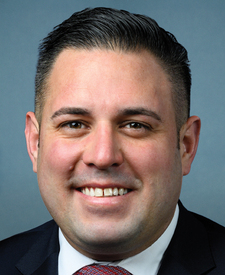
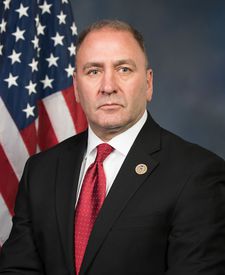

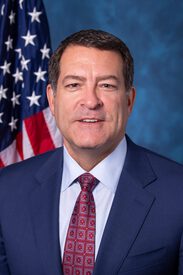
Legislative Progress
Passed HouseReported by Mr. Peters, without amendment
Received; read twice and referred to the Committee on Homeland …
Received; read twice and referred to the Committee on Homeland …
Additional sponsor: Mr. Higgins of Louisiana
Committed to the Committee of the Whole House on the …
Mr. Strong (for himself, Mr. Green of Tennessee, Mr. D'Esposito, …
Passed House (inferred from eh version)
Impact analysis is available but no clear stakeholder effects identified. View clause-level analysis →
Bill Structure & Actor Mappings
Who is "The Secretary" in each section?
- "the_secretary"
- → Secretary of Homeland Security
We use a combination of our own taxonomy and classification in addition to large language models to assess meaning and potential beneficiaries. High confidence means strong textual evidence. Always verify with the original bill text.
Learn more about our methodology