Ending Forced Arbitration of Race Discrimination Act of 2025
Summary
What This Bill Does
The Ending Forced Arbitration of Race Discrimination Act adds a new chapter to title 9 of the United States Code for race discrimination disputes. It defines covered disputes as alleged discrimination, harassment, or retaliation based on race, color, or national origin under Federal, Tribal, State, or local law. For claims that arise or accrue after enactment, the person alleging the race discrimination dispute, or the named representative in a class or collective action, may elect to make a predispute arbitration agreement or predispute joint-action waiver invalid and unenforceable for that case. The bill also says courts, not arbitrators, decide whether the new chapter applies and whether the arbitration agreement is valid, even if the contract delegates those questions to an arbitrator.
Who Benefits and How
Workers, consumers, tenants, and other individuals alleging race discrimination benefit because they can choose a court forum instead of being forced into predispute arbitration. Class and collective action representatives benefit because predispute joint-action waivers cannot be enforced against covered race discrimination cases when they elect court treatment. Civil rights litigators benefit because forum and waiver disputes are resolved by courts under Federal law rather than by private arbitrators selected under the challenged agreement. State and Tribal civil rights claimants benefit because the rule applies to race discrimination disputes filed under Federal, Tribal, State, or local law.
Who Bears the Burden and How
Employers and businesses that rely on arbitration clauses must face more race discrimination claims in court and lose the ability to enforce predispute class or collective action waivers in covered cases. Arbitration providers may lose covered race discrimination matters that would otherwise be handled privately. Federal and State courts must decide applicability and enforceability disputes that contracts may have tried to delegate to arbitrators. Corporate legal departments must revise dispute-resolution risk models for race, color, and national-origin discrimination claims arising after enactment.
Key Provisions
- Defines race discrimination disputes to include race, color, and national-origin discrimination, harassment, and retaliation claims.
- Provides claimant election to invalidate predispute arbitration agreements for covered race discrimination cases.
- Provides named class or collective representatives the same election against predispute joint-action waivers.
- Requires courts to decide applicability, validity, and enforceability questions under Federal law.
- Applies the rule to disputes and claims that arise or accrue after enactment.
Evidence Chain:
This summary is generated from the full bill text using AI analysis. Expand "Detailed Analysis" below for identified beneficiaries/burden bearers with clause-level evidence links.
At a Glance
What This Bill Does
Makes predispute arbitration agreements and predispute joint-action waivers unenforceable, at the claimant or class representative election, for race, color, or national-origin discrimination, harassment, or retaliation disputes filed under Federal, Tribal, State, or local law, and assigns enforceability questions to courts rather than arbitrators.
Key Policy Areas
Civil Rights, Arbitration, Employment Law
Primary Purpose
Makes predispute arbitration agreements and predispute joint-action waivers unenforceable, at the claimant or class representative election, for race, color, or national-origin discrimination, harassment, or retaliation disputes filed under Federal, Tribal, State, or local law, and assigns enforceability questions to courts rather than arbitrators.
Policy Domains
Substantive provisions
Identified Gains
- Individuals alleging race discrimination
- Class action representatives
- Civil rights litigators
- State civil rights claimants
- Tribal civil rights claimants
Identified Costs
- Employers using arbitration clauses
- Businesses using class action waivers
- Arbitration providers
- Federal courts
- State courts
Sponsors



Legislative Progress
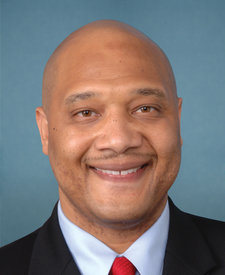
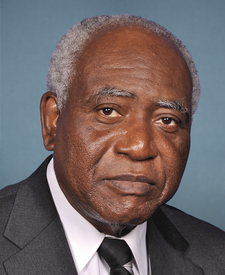
In CommitteeMr. Bell (for himself, Mr. Johnson of Georgia, Mr. Quigley, …
Referred to the House Committee on the Judiciary.
Introduced in House
Stakeholder Effects
cui bono?How this legislation distributes effects. Mention counts reflect frequency, not effect magnitude.
Arbitration providers, Businesses using class action waivers, Class action representatives
Positive-direction: Class action representatives
Negative-direction: Arbitration providers, Businesses using class action waivers, Employers using arbitration clauses
Bill Structure & Actor Mappings
Who is "The Secretary" in each section?
We use a combination of our own taxonomy and classification in addition to large language models to assess meaning and potential beneficiaries. High confidence means strong textual evidence. Always verify with the original bill text.
Learn more about our methodology