Lowering Drug Costs for American Families Act
Summary
What This Bill Does
The Lowering Drug Costs for American Families Act is a multi-title prescription-drug affordability bill. It expands the Medicare Drug Price Negotiation Program by replacing the 20-drug selection number with 50 and opening maximum fair price participation to group health plans and individual or group health insurance issuers. Companion Public Health Service Act, ERISA, and Internal Revenue Code provisions apply negotiated maximum fair prices to participating private plans and coverage. The bill requires consideration of average international market prices under the Medicare negotiation program. It extends prescription-drug inflation rebate concepts to drugs furnished in the commercial market. It also establishes private-market prescription-drug out-of-pocket protections, requiring group health plans and individual or group issuers to limit annual cost-sharing and maintain comprehensive essential health benefit coverage. For plan years beginning on or after January 1, 2027, it requires coverage of selected insulin products without a deductible and with cost-sharing no higher than the lesser of $35 per 30-day supply or 25 percent of the negotiated price net of price concessions, with selected insulin products covering at least one dosage form of each insulin type when available.
Who Benefits and How
Medicare beneficiaries benefit from a larger set of drugs subject to Medicare negotiation and average international price consideration. Privately insured patients benefit if group and individual plans use maximum fair prices for negotiated drugs. Patients with high prescription-drug costs benefit from annual out-of-pocket limits and comprehensive coverage requirements. Diabetes patients benefit from selected insulin coverage without deductibles and capped cost-sharing beginning in 2027. Employers and health plans may benefit from access to negotiated maximum fair prices for selected drugs.
Who Bears the Burden and How
Pharmaceutical manufacturers of high-cost drugs face more selected drugs, negotiation pressure, commercial-market inflation rebate exposure, and lower net prices. Group health plans and health insurance issuers must administer maximum fair prices, out-of-pocket limits, comprehensive coverage, and insulin cost-sharing caps. Pharmacy benefit managers and third-party administrators must account for price concessions when calculating insulin cost-sharing caps. CMS and HHS must expand negotiation, international price consideration, commercial rebate implementation, and private-coverage coordination. Employers sponsoring health plans may need to adjust plan design and administration.
Key Provisions
- Expands the Medicare Drug Price Negotiation Program from 20 to 50 selected drugs.
- Applies negotiated maximum fair prices to participating group and individual health plans.
- Requires consideration of average international market prices in negotiation.
- Extends prescription-drug inflation rebate policy to the commercial market.
- Creates annual prescription-drug out-of-pocket limits and comprehensive coverage duties for private plans.
- Caps selected insulin cost-sharing at the lesser of $35 or 25 percent of net negotiated price starting in 2027.
Evidence Chain:
This summary is generated from the full bill text using AI analysis. Expand "Detailed Analysis" below for identified beneficiaries/burden bearers with clause-level evidence links.
At a Glance
What This Bill Does
Expands Medicare drug price negotiation from 20 to 50 selected drugs, lets group and individual health plans participate in maximum fair prices, adds average international market price consideration, applies prescription-drug inflation rebates to commercial markets, creates annual prescription-drug out-of-pocket limits for private coverage, requires comprehensive essential health benefit coverage, and caps selected insulin cost-sharing at the lesser of $35 or 25 percent of net negotiated price starting in 2027.
Key Policy Areas
Prescription Drugs, Medicare, Health Insurance, Insulin
Primary Purpose
Expands Medicare drug price negotiation from 20 to 50 selected drugs, lets group and individual health plans participate in maximum fair prices, adds average international market price consideration, applies prescription-drug inflation rebates to commercial markets, creates annual prescription-drug out-of-pocket limits for private coverage, requires comprehensive essential health benefit coverage, and caps selected insulin cost-sharing at the lesser of $35 or 25 percent of net negotiated price starting in 2027.
Policy Domains
Substantive provisions
Identified Gains
- Medicare beneficiaries
- Privately insured patients using negotiated drugs
- Patients with high prescription-drug costs
- Diabetes patients needing insulin
- Employers offering health coverage
- Health plans using maximum fair prices
Identified Costs
- Pharmaceutical manufacturers of high-cost drugs
- Group health plans
- Health insurance issuers
- Pharmacy benefit managers
- CMS drug negotiation staff
- HHS private insurance staff
- Employers sponsoring health plans
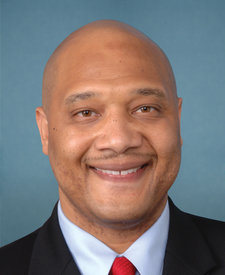
Sponsors




Legislative Progress
In CommitteeMr. Pallone (for himself, Mr. Neal, and Mr. Scott of …
Referred to the Committee on Energy and Commerce, and in …
Introduced in House
Stakeholder Effects
cui bono?How this legislation distributes effects. Mention counts reflect frequency, not effect magnitude.
Diabetes patients in group health plans, Diabetes patients requiring insulin, Diabetes patients with private insurance
Group health insurers, Group health plans, Group health plans and health insurance issuers
Health insurance issuers faces effects in multiple directions
Positive-direction: Group health plans, Group health plans and health insurance issuers, Health insurance plans
Negative-direction: Group health insurers, Health insurers in individual and group markets, Small group market insurers
Employers offering group health plans, Employers providing health coverage, Group health plan sponsors
Employers offering group health plans, Group health plan sponsors face effects in multiple directions
Insulin manufacturers, Pharmaceutical manufacturers, Pharmaceutical manufacturers of high-cost drugs
Bill Structure & Actor Mappings
Who is "The Secretary" in each section?
We use a combination of our own taxonomy and classification in addition to large language models to assess meaning and potential beneficiaries. High confidence means strong textual evidence. Always verify with the original bill text.
Learn more about our methodology