To direct the Federal Communications Commission to establish a taskforce on unlawful robocalls, and for other purposes.
Sponsors

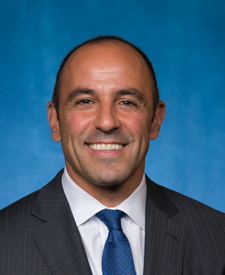

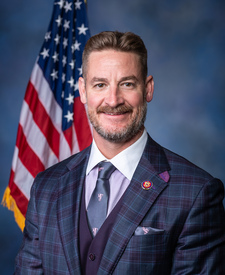
Legislative Progress
IntroducedMr. McDowell (for himself, Ms. Morrison, Mr. Steube, and Mr. …
Summary
What This Bill Does
This bill establishes an interagency taskforce led by the FCC to combat unlawful robocalls originating from outside the United States. It also strengthens requirements for voice service providers to register in the Robocall Mitigation Database and provides legal immunity to the industry consortium that traces the origin of suspicious calls.
Who Benefits and How
- American consumers benefit from reduced robocall harassment and fewer scam calls, which currently cause significant financial losses and identity theft
- Legitimate telecommunications providers benefit from clearer rules and potential exemptions from burdensome bond requirements if they can demonstrate regulatory oversight and established operations
- The registered traceback consortium (USTelecom's Industry Traceback Group) gains legal immunity for sharing information about suspected illegal callers, making it easier to identify bad actors
Who Bears the Burden and How
- New or unestablished voice service providers face new barriers: they must post a bond up to $100,000 before filing certifications to the Robocall Mitigation Database, unless they can demonstrate legitimate operations
- Providers that refuse to participate in traceback efforts or transmit substantial unlawful robocalls face public listing and potential FCC enforcement action
- The FCC, FTC, and DOJ must allocate resources to establish and participate in the taskforce
Key Provisions
- Creates an interagency taskforce with federal agency representatives and seven private sector experts to study and recommend solutions for foreign-originating robocalls
- Requires the taskforce to report to Congress within 360 days on enforcement gaps, international cooperation strategies, and technical solutions like STIR/SHAKEN authentication
- Authorizes bond requirements up to $100,000 for providers seeking to register in the Robocall Mitigation Database, with exemptions for established, regulated providers
- Grants legal immunity to the registered traceback consortium for receiving, sharing, and publishing information about suspected illegal callers
- Reduces required FCC notice frequency from annually to once every three years
Evidence Chain:
This summary is derived from the structured analysis below. See "Detailed Analysis" for per-title beneficiaries/burden bearers with clause-level evidence links.
Primary Purpose
Establishes an interagency taskforce to combat unlawful robocalls originating from outside the United States, focusing on coordination between US agencies and foreign countries.
Policy Domains
Bill Structure & Actor Mappings
Who is "The Secretary" in each section?
Key Definitions
Terms defined in this bill
Robocall that violates the Communications Act of 1934
We use a combination of our own taxonomy and classification in addition to large language models to assess meaning and potential beneficiaries. High confidence means strong textual evidence. Always verify with the original bill text.
Learn more about our methodology