Recognizing the Role of Direct Support Professionals Act
Summary
What This Bill Does
The Recognizing the Role of Direct Support Professionals Act addresses workforce classification for people who support individuals with intellectual and developmental disabilities. The findings describe direct support professionals as workers who help with independence, community inclusion, communication, personal goals, employment or volunteer participation, daily living activities, home management, and support at home, work, school, or other community settings. The findings cite hiring and retention problems, including a 39 percent turnover rate identified in a 2023 National Core Indicators study, and argue that a discrete occupational category would improve labor-market data and recognize work distinct from home health aides or personal care aides. The bill directs the OMB Director, as part of the first Standard Occupational Classification revision after enactment, to consider establishing a separate code for direct support professionals as a healthcare support occupation. If OMB decides not to establish the code, it must report within 30 days to the Senate Homeland Security and Governmental Affairs Committee and the House Education and Workforce Committee explaining the decision. No additional funds are authorized.
Who Benefits and How
Direct support professionals benefit from potential recognition as a distinct occupation in federal workforce statistics. Individuals with intellectual and developmental disabilities benefit if better workforce data helps address shortages and turnover in support services. Home- and community-based service providers benefit from more accurate labor-market data on direct support professional hiring and retention. State labor departments and disability service agencies benefit from clearer occupational data for workforce planning. Congressional oversight committees benefit from a required explanation if OMB declines to create the code.
Who Bears the Burden and How
OMB statistical policy staff must consider the new Standard Occupational Classification code during the next revision cycle. Federal statistical agencies may need to incorporate a new direct support professional code if OMB establishes one. OMB must submit a report within 30 days if it chooses not to create the separate code. Congressional committees must review OMB explanation if the code is rejected. Agencies must carry out the bill without newly authorized appropriations.
Key Provisions
- Directs OMB to consider a separate Standard Occupational Classification code for direct support professionals.
- Recognizes direct support professionals as distinct from home health aides and personal care aides.
- Cites a 39 percent direct support professional turnover rate from a 2023 National Core Indicators study.
- Requires OMB to report to Congress within 30 days if it declines to establish the code.
- Provides no new authorized funding.
Evidence Chain:
This summary is generated from the full bill text using AI analysis. Expand "Detailed Analysis" below for identified beneficiaries/burden bearers with clause-level evidence links.
At a Glance
What This Bill Does
Directs OMB to consider creating a separate Standard Occupational Classification code for direct support professionals as a healthcare support occupation, requires a report to Congress within 30 days if OMB declines to create the code, and authorizes no new funds.
Key Policy Areas
Workforce Data, Disability Services, OMB
Primary Purpose
Directs OMB to consider creating a separate Standard Occupational Classification code for direct support professionals as a healthcare support occupation, requires a report to Congress within 30 days if OMB declines to create the code, and authorizes no new funds.
Policy Domains
Substantive provisions
Identified Gains
- Direct support professionals
- Individuals with intellectual and developmental disabilities
- Home- and community-based service providers
- State labor departments
- Disability service agencies
- Congressional oversight committees
Identified Costs
- OMB statistical policy staff
- Federal statistical agencies
- Congressional committee staff
- Agencies implementing without new funds
Sponsors

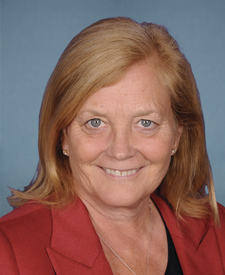
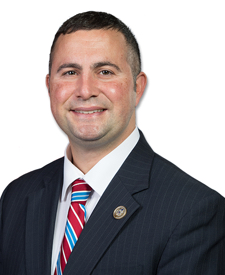
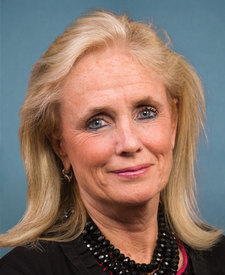
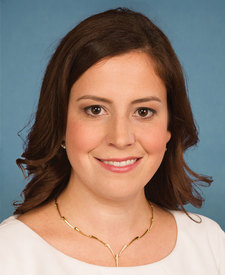
Legislative Progress
In CommitteeMr. Fitzpatrick (for himself and Mr. Morelle) introduced the following …
Referred to the House Committee on Education and Workforce.
Introduced in House
Stakeholder Effects
cui bono?How this legislation distributes effects. Mention counts reflect frequency, not effect magnitude.
Congressional oversight committees, Federal budget accounts, Federal statistical agencies
Positive-direction: Congressional oversight committees, Federal budget accounts
Negative-direction: Federal statistical agencies, OMB statistical policy staff
Individuals with developmental disabilities, Individuals with intellectual disabilities
Bill Structure & Actor Mappings
Who is "The Secretary" in each section?
We use a combination of our own taxonomy and classification in addition to large language models to assess meaning and potential beneficiaries. High confidence means strong textual evidence. Always verify with the original bill text.
Learn more about our methodology