To amend the Workforce Innovation and Opportunity Act to authorize the Reentry Employment Opportunities Program, and for other purposes.
Analysis under review: This bill has generated analysis that may be too generic or incomplete. Clause-level evidence remains available below.
Summary
What This Bill Does
This bill, To amend the Workforce Innovation and Opportunity Act to authorize the Reentry Employment Opportunities Program, and for other purposes., changes federal law or congressional policy affecting workers, employers, and labor regulators. The main policy domain is Labor, Government Operations, Education.
Who Benefits and How
workers, employers, and labor regulators may benefit from new authority, funding, eligibility, regulatory clarity, or reduced risk created by the bill.
Who Bears the Burden and How
federal implementing agencies, workers, employers, and labor regulators may take on implementation duties, reporting obligations, compliance costs, or oversight responsibilities.
Key Provisions
- Section H55FEC79119F74572A693F437974D828B: 1. Short title This Act may be cited as the REO Act of 2023.
- Section HE3B7BD1F1B5F4DDCA464D39113AD22EF: 2. Reentry Employment Opportunities Program Subtitle D of title I of the Workforce Innovation and Opportunity Act (29 U.S.C. 3221 et seq.) is amended— by...
- Section HEA02F28A979D4C8D8EF20F5651CEAB78: 172. Reentry Employment Opportunities Program In this section: The term correctional institution has the meaning given the term in section 225(e). The term...
- Section H047E0A078B5E411A9BECF115E4EC9CB7: 3. Evaluation of the reentry projects Not later than 5 years after the date of enactment of this Act, the Chief Evaluation Officer shall evaluate the...
- Section H0CBAA39A6FF944DE9447DC081E661612: 4. Conforming amendment The table of contents in section 1(b) of the Workforce Innovation and Opportunity Act is amended— by redesignating the item relating to...
Evidence Chain:
This summary is generated from the full bill text using AI analysis. Expand "Detailed Analysis" below for identified beneficiaries/burden bearers with clause-level evidence links.
At a Glance
What This Bill Does
This bill, To amend the Workforce Innovation and Opportunity Act to authorize the Reentry Employment Opportunities Program, and for other purposes., changes federal law or congressional policy affecting workers, employers, and labor regulators.
Key Policy Areas
Labor, Government Operations, Education
Primary Purpose
This bill, To amend the Workforce Innovation and Opportunity Act to authorize the Reentry Employment Opportunities Program, and for other purposes., changes federal law or congressional policy affecting workers, employers, and labor regulators.
Policy Domains
Whole bill
Identified Gains
- workers, employers, and labor regulators
Identified Costs
- federal implementing agencies
- workers, employers, and labor regulators
Sponsors
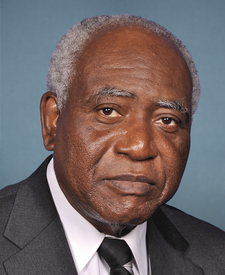

Legislative Progress
IntroducedMr. Davis of Illinois (for himself and Mr. Johnson of …
Impact analysis is available but no clear stakeholder effects identified. View clause-level analysis →
Bill Structure & Actor Mappings
Who is "The Secretary" in each section?
- "secretary_of_labor"
- → Secretary of Labor
Key Definitions
Terms defined in this bill
an apprenticeship registered under the Act of August 16, 1937 (commonly known as the National Apprenticeship Act
an apprenticeship registered under the Act of August 16, 1937 (commonly known as the National Apprenticeship Act
We use a combination of our own taxonomy and classification in addition to large language models to assess meaning and potential beneficiaries. High confidence means strong textual evidence. Always verify with the original bill text.
Learn more about our methodology