AIM Act
Summary
What This Bill Does
The bill repeals appropriations riders from multiple years (2004-2013) that prohibited the ATF from requiring federally licensed firearms dealers to conduct physical inventory checks of their firearms, repeals requirements from multiple appropriations acts (2004-2012) that mandated destruction of NICS background check records within 24 hours, allowing indefinite retention, and repeals appropriations riders from multiple years (2013-2023) that restricted ATF from reclassifying curio or relic firearms and from prohibiting importation of surplus military firearms. It relies on compliance mandates and exemptions. The main policy areas are Gun Policy, Trade, and Criminal Justice.
Who Benefits and How
ATF licensing authority could gain revenue opportunities, Federal law enforcement (FBI/ATF) could face lower compliance burdens, and ATF enforcement and licensing could gain revenue opportunities.
Who Bears the Burden and How
Federal firearms licensees at risk of license revocation could face increased risk, Federal firearms licensees (gun dealers) would take on compliance duties, and Federal firearms licensees (gun dealers and manufacturers) would take on compliance duties.
Key Provisions
- Repeals appropriations riders from multiple years (2004-2013) that prohibited the ATF from requiring federally licensed firearms dealers to conduct physical inventory checks of their firearms.
- Repeals requirements from multiple appropriations acts (2004-2012) that mandated destruction of NICS background check records within 24 hours, allowing indefinite retention.
- Repeals appropriations riders from multiple years (2013-2023) that restricted ATF from reclassifying curio or relic firearms and from prohibiting importation of surplus military firearms.
- Repeals appropriations riders from multiple years (2004-2013) that prohibited ATF from denying a federal firearms license application due to lack of business activity by the applicant.
- Repeals the prohibition on ATF electronically searching by name or personal identification code the computerized records obtained from out-of-business federal firearms licensees.
Evidence Chain:
This summary is generated from the full bill text using AI analysis. Expand "Detailed Analysis" below for identified beneficiaries/burden bearers with clause-level evidence links.
At a Glance
What This Bill Does
The bill repeals appropriations riders from multiple years (2004-2013) that prohibited the ATF from requiring federally licensed firearms dealers to conduct physical inventory checks of their firearms, repeals requirements from multiple appropriations acts (2004-2012) that mandated destruction of NICS background check records within 24 hours, allowing indefinite retention, and repeals appropriations riders from multiple years (2013-2023) that restricted ATF from reclassifying curio or relic firearms and from prohibiting importation of surplus military firearms.
Key Policy Areas
Gun Policy, Trade, Criminal Justice
Primary Purpose
The bill repeals appropriations riders from multiple years (2004-2013) that prohibited the ATF from requiring federally licensed firearms dealers to conduct physical inventory checks of their firearms, repeals requirements from multiple appropriations acts (2004-2012) that mandated destruction of NICS background check records within 24 hours, allowing indefinite retention, and repeals appropriations riders from multiple years (2013-2023) that restricted ATF from reclassifying curio or relic firearms and from prohibiting importation of surplus military firearms.
Policy Domains
ATF Improvement and Modernization Act
Identified Gains
- ATF licensing authority
- Federal law enforcement (FBI/ATF)
- ATF enforcement and licensing
- ATF compliance enforcement
- ATF and law enforcement investigating firearms crimes
Identified Costs
- Federal firearms licensees at risk of license revocation
- Federal firearms licensees (gun dealers)
- Federal firearms licensees (gun dealers and manufacturers)
- Federal firearms license applicants with prior violations
- Individuals holding federal firearms licenses without active business operations
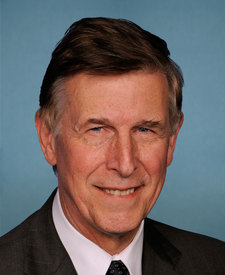
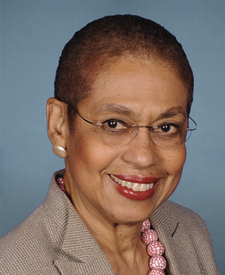
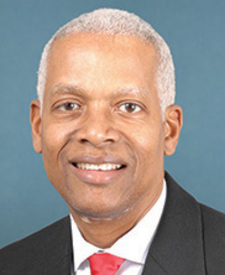
Sponsors


Legislative Progress
In CommitteeMr. Beyer (for himself, Mr. Raskin, Ms. Titus, and Ms. …
Referred to the House Committee on the Judiciary.
Introduced in House
Stakeholder Effects
cui bono?How this legislation distributes effects. Mention counts reflect frequency, not effect magnitude.
ATF and law enforcement investigating firearms crimes, ATF compliance enforcement, ATF enforcement and licensing
Curio and relic firearms collectors and dealers, Federal firearms license applicants with prior violations, Federal firearms licensees (gun dealers and manufacturers)
Foreign shotgun manufacturers and importers, Surplus military firearms importers
Bill Structure & Actor Mappings
Who is "The Secretary" in each section?
- "the_secretary"
- → Secretary of the Treasury (historical reference)
- "the_attorney_general"
- → Attorney General of the United States
Note: Section 12 changes references from Secretary to Attorney General, reflecting the 2003 transfer of ATF from Treasury to DOJ
We use a combination of our own taxonomy and classification in addition to large language models to assess meaning and potential beneficiaries. High confidence means strong textual evidence. Always verify with the original bill text.
Learn more about our methodology