Promoting Physical Activity for Americans Act
Summary
What This Bill Does
The Promoting Physical Activity for Americans Act makes HHS responsible for recurring national physical activity recommendations. By December 31, 2029, and at least every 10 years afterward, HHS must publish a report with physical activity information and recommendations for the people of the United States. The report must be based on current evidence-based scientific and medical knowledge and include recommendations for population subgroups, such as children and individuals with disabilities, including information on appropriate activity and avoiding inactivity. Within five years after the first report, and at least every 10 years thereafter, HHS must publish an updated report detailing evidence-based practices and continuing issues. Relevant federal agencies must consider the recommendations when carrying out health programs or proposing different physical activity recommendations. The bill preserves biomedical research and communication of scientific findings and states that no physical fitness standard created under the Act is binding on any individual as federal law or regulation.
Who Benefits and How
The general public benefits from recurring federal physical activity recommendations based on current scientific and medical evidence. Children benefit from subgroup-specific guidance on appropriate physical activity and avoiding inactivity. Individuals with disabilities benefit from recommendations that must address population subgroups. Federal health programs benefit from a common evidence-based reference when designing physical activity initiatives. Researchers and clinicians benefit because the bill preserves biomedical research and communication of scientific findings.
Who Bears the Burden and How
HHS public health staff must publish the first recommendations by December 31, 2029 and repeat the process at least every 10 years. HHS evidence-review teams must evaluate current scientific and medical knowledge and prepare subgroup recommendations. Federal agencies proposing different physical activity recommendations must consider the HHS reports before issuing guidance. HHS must publish follow-up reports on evidence-based practices and continuing issues within five years and at least every 10 years thereafter.
Key Provisions
- Requires HHS to publish national physical activity recommendations by December 31, 2029.
- Requires updated recommendations at least every 10 years.
- Requires evidence-based guidance for subgroups such as children and individuals with disabilities.
- Requires follow-up reports on evidence-based practices and continuing physical activity issues.
- Clarifies that no federal physical fitness standard is binding on individuals.
Evidence Chain:
This summary is generated from the full bill text using AI analysis. Expand "Detailed Analysis" below for identified beneficiaries/burden bearers with clause-level evidence links.
At a Glance
What This Bill Does
Requires HHS to publish evidence-based physical activity recommendations for Americans by December 31, 2029 and at least every 10 years thereafter, with subgroup recommendations and later updates on evidence-based practices, while making clear that no federal physical fitness standard binds individuals.
Key Policy Areas
Public Health, HHS Guidance, Physical Activity
Primary Purpose
Requires HHS to publish evidence-based physical activity recommendations for Americans by December 31, 2029 and at least every 10 years thereafter, with subgroup recommendations and later updates on evidence-based practices, while making clear that no federal physical fitness standard binds individuals.
Policy Domains
Substantive provisions
Identified Gains
- General public receiving physical activity guidance
- Children receiving subgroup guidance
- Individuals with disabilities receiving subgroup guidance
- Federal health programs
- Researchers studying physical activity
- Clinicians using activity guidance
Identified Costs
- HHS public health staff
- HHS evidence-review teams
- Federal agencies issuing physical activity recommendations
- HHS report writers
Sponsors

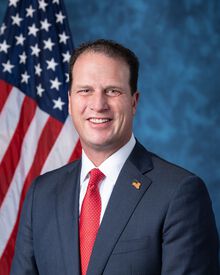
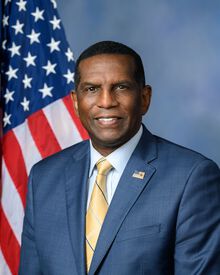


Legislative Progress
In CommitteeMr. Moore of Utah (for himself and Mr. Panetta) introduced …
Referred to the House Committee on Energy and Commerce.
Introduced in House
Stakeholder Effects
cui bono?How this legislation distributes effects. Mention counts reflect frequency, not effect magnitude.
Children receiving subgroup guidance, General public receiving physical activity guidance, Individuals with disabilities receiving subgroup guidance
Federal agencies issuing physical activity recommendations, Federal health programs, HHS public health staff
Positive-direction: Federal health programs
Negative-direction: Federal agencies issuing physical activity recommendations, HHS public health staff
Bill Structure & Actor Mappings
Who is "The Secretary" in each section?
We use a combination of our own taxonomy and classification in addition to large language models to assess meaning and potential beneficiaries. High confidence means strong textual evidence. Always verify with the original bill text.
Learn more about our methodology